6 Must-Try Pelvic Pain Relief Techniques for Women
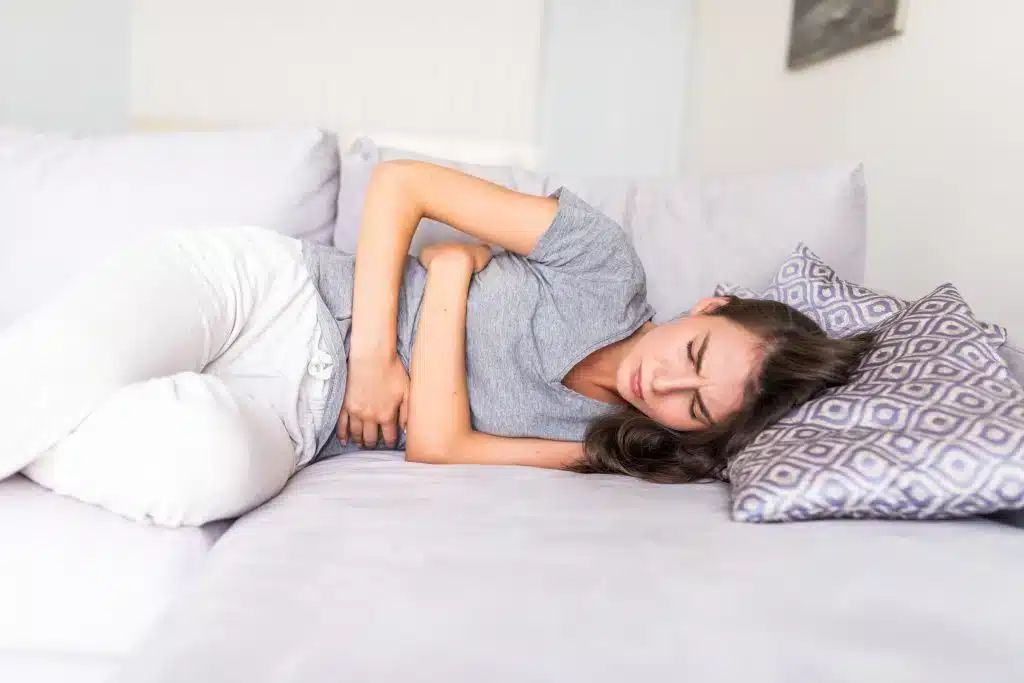
Pelvic pain can significantly impact your daily life, and if you’ve ever wondered how to get pelvic pain relief, you’re not alone. Around 4% to 43.4% of women all over the world suffer from noncyclical pelvic pain.
Whether you’re dealing with conditions like endometriosis, pelvic floor dysfunction, or simply experiencing pelvic pain during menstruation, it’s important to know that relief is possible through natural and accessible methods. This guide will walk you through 12 highly effective techniques that focus on pelvic pain relief at home. From diet changes and exercises to holistic treatments, these strategies are designed to help you manage and reduce pelvic discomfort in a safe, comfortable setting. Let’s dive in and explore the best ways to alleviate pelvic pain!
Understanding Pelvic Pain and Its Causes
Pelvic pain can be categorized as either acute (sudden and severe) or chronic (long-term). Chronic pelvic pain (CPP) is defined as noncyclical pain lasting for more than 6 months and can negatively impact a person’s physical performance and overall quality of life. CPP is usually caused by a combination of physical, psychological, and/or social factors. It might be caused by an infection or a condition affecting one of the organs in the pelvic area, such as the bowel or bladder.
Pelvic pain relief begins with understanding the root causes. It can be triggered by a variety of conditions, including:
- Endometriosis
- Pelvic floor disorders
- Urinary tract infections (UTIs)
- Menstrual cramps
- Pregnancy-related pain
Each of these conditions requires a unique approach for effective pelvic pain relief. Identifying the underlying cause is the first step toward finding the right treatment. If you’re not sure what’s causing your pain, don’t hesitate to consult a healthcare professional. Knowing what’s behind your pelvic discomfort can help you apply the most effective pelvic pain relief at home.
For a more comprehensive understanding of chronic pelvic pain and its impact, check out Understanding and Mitigating the Multidimensional Impact of Chronic Pelvic Pain on Women and Workplaces.
1. The Role of Diet in Pelvic Pain Relief
Diet plays a critical role in pelvic pain relief. Certain foods can aggravate inflammation and worsen pain, while others can help soothe it. To reduce pelvic pain naturally, consider incorporating these dietary changes:
- Anti-inflammatory foods: Include foods like turmeric, ginger, fatty fish (salmon, mackerel), and leafy greens to reduce inflammation.
- Fiber-rich foods: Fiber helps prevent constipation, which can exacerbate pelvic pain. Incorporate whole grains, vegetables, and fruits into your meals.
- Stay hydrated: Drinking plenty of water helps your body stay hydrated and can reduce the intensity of pain in the pelvic region.
A best diet for pelvic pain relief includes a balance of healthy fats, lean proteins, and antioxidant-rich foods. By making these dietary adjustments, you can support your body’s healing process and find some much-needed relief.
2. Pelvic Floor Exercises for Pain Relief
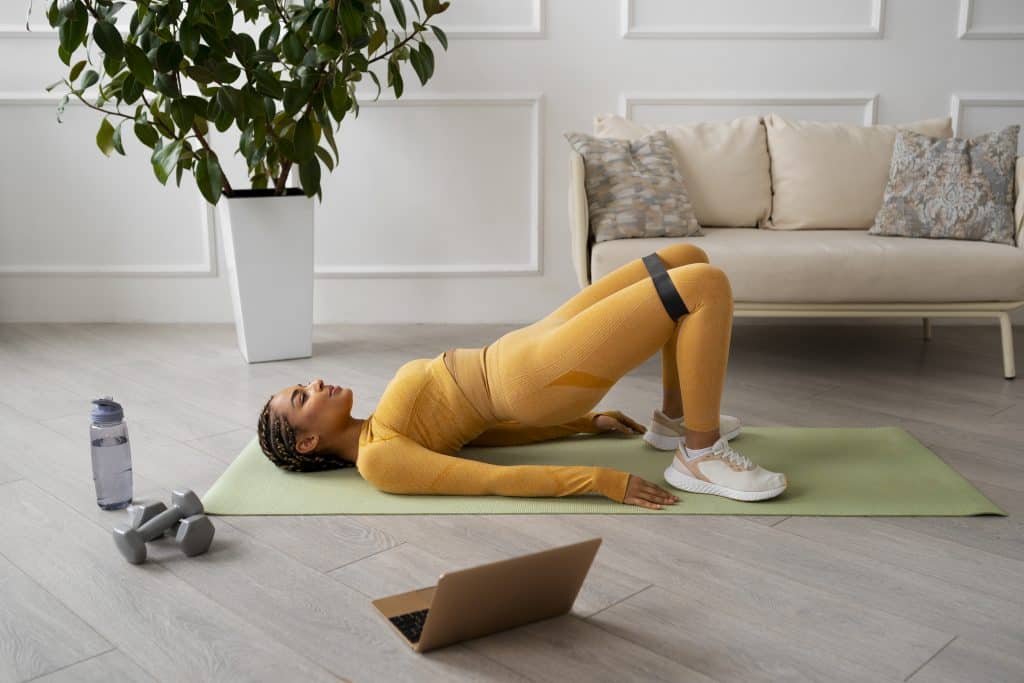
When it comes to pelvic pain relief, exercises that target the pelvic floor can work wonders. Pelvic floor exercises help strengthen and relax the muscles that support the pelvis, bladder, and uterus, which is especially helpful for managing conditions like pelvic floor dysfunction. Pelvic pain exercises such as Kegel exercises improve circulation, reduce muscle tension, and ultimately provide relief from chronic pelvic pain.
Here’s how you can perform basic pelvic floor exercises:
- Kegels: Squeeze and hold the pelvic floor muscles for 5 seconds, then relax. Repeat 10-15 times, 3 times per day.
- Bridges: Lie on your back with knees bent and feet flat on the floor. Lift your hips off the ground, engaging your pelvic floor muscles. Hold for a few seconds, then lower.
- Squats: Stand with feet shoulder-width apart. Lower your body into a squat while engaging your pelvic muscles. Hold for 5 seconds, then return to standing.
These exercises can offer long-term relief by strengthening the muscles that contribute to pelvic floor pain relief.
For more tips, visit Pelvic Health and Pain Reduction: Techniques for Managing Pain.
3. Pelvic Pain Stretches and Yoga
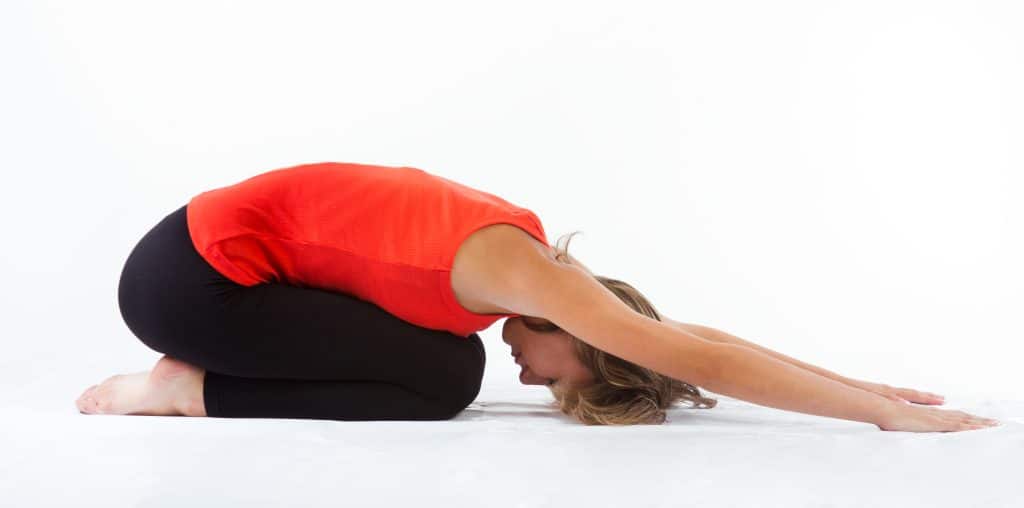
Incorporating pelvic pain stretches and yoga into your routine can help alleviate pelvic discomfort. Gentle stretching improves flexibility, while yoga promotes relaxation and reduces tension in the pelvic area. Many women find pelvic pain relief through poses such as:
- Child’s Pose: A restorative position that relaxes the pelvic muscles and encourages a gentle stretch in the lower back and hips.
- Cat-Cow Stretch: This yoga sequence improves spinal flexibility and eases tension in the pelvic region.
- Reclining Bound Angle Pose: A gentle stretch that opens the hips and releases tension from the pelvic floor.
These pelvic pain exercises help promote blood flow and flexibility, providing relief from discomfort caused by pelvic pain due to lifestyle factors like poor posture or stress.
For more on exercises for pelvic pain, check out Understanding and Mitigating the Multidimensional Impact of Chronic Pelvic Pain on Women and Workplaces.
4. Low-Impact Exercises for Pain Reduction
For those with chronic pelvic pain, high-impact exercises may worsen discomfort, so focusing on low-impact options is key. Activities like walking, swimming, and cycling can help improve blood circulation and reduce pain. These exercises are gentle on the body but effective in reducing pelvic pain relief. Exercise for pelvic pain supports your overall well-being while alleviating discomfort in the pelvic region.
5. Natural Remedies for Pelvic Pain Relief
There are several natural remedies for pelvic pain relief at home that are easy to incorporate into your daily routine:
- Heat therapy: Use a heating pad or warm bath to help relax tight pelvic muscles and reduce inflammation.
- Essential oils: Oils such as lavender, peppermint, and chamomile can provide soothing effects when massaged into the lower abdomen.
- Herbal teas: Drinking herbal teas like ginger or peppermint can help reduce inflammation and relieve spasms.
By using natural remedies like these, you can enjoy some comfort in the privacy of your home without relying on medications.
For additional natural treatments, read Leveraging AI in the Development of Self-Assessment Tools for Endometriosis.
6. Lifestyle Modifications for Long-Term Pelvic Pain Relief
Long-term relief from pelvic pain often involves lifestyle changes, such as:
- Stress management: Practicing mindfulness, deep breathing exercises, or meditation can reduce the stress that exacerbates pelvic pain.
- Proper sleep hygiene: Ensuring you get enough rest is critical for healing and managing pain.
- Avoiding triggers: Identify and avoid activities or foods that seem to worsen your pelvic pain.
These modifications can significantly impact your pelvic pain relief journey, making a long-lasting difference in your overall well-being.
For more information, check out The Impact of Lifestyle, Diet, and Exercise on Pelvic Pain and Pain Reduction.
How to Relieve Pelvic Pain During Pregnancy
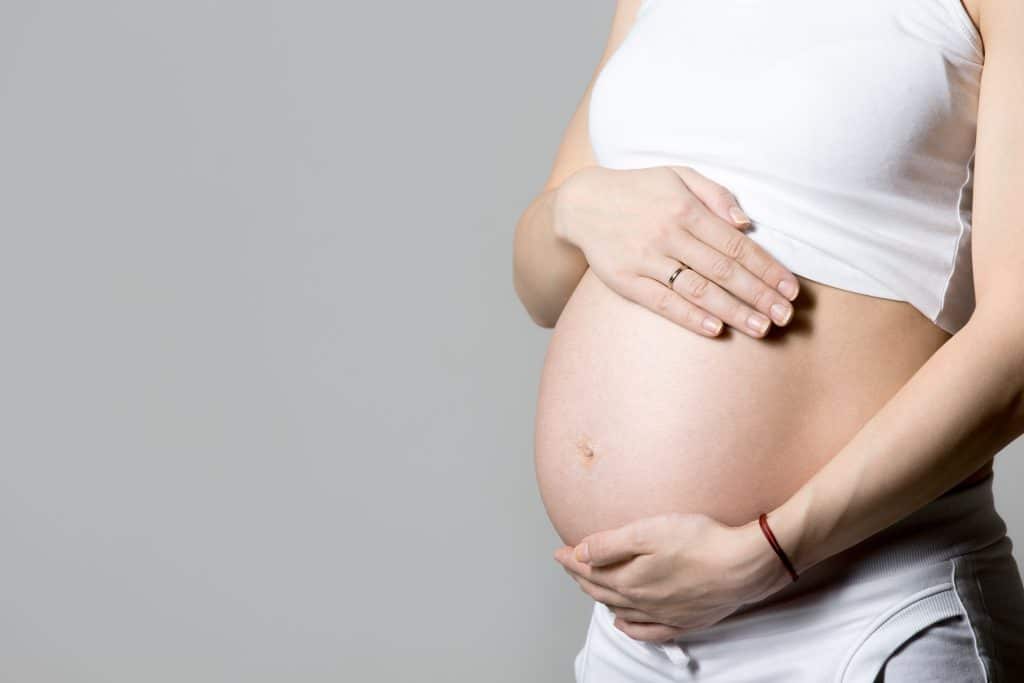
Pelvic pain during pregnancy is common, especially in the later stages. For women experiencing pelvic pain during pregnancy, the key to relief lies in gentle exercises, proper posture, and pelvic floor exercises for pain. Pelvic pain relief during pregnancy often involves adjustments in activity and lifestyle to ensure safety and comfort. Always consult your healthcare provider before trying any new treatments or exercises during pregnancy.
For more on pregnancy-related pelvic pain relief, visit Pelvic Health and Pain Reduction: Techniques for Managing Pain.
When to Seek Medical Help for Pelvic Pain
While many women find relief from pelvic pain home remedies, there are times when medical intervention is necessary. If your pelvic pain persists or worsens, or if it’s accompanied by other symptoms like fever, nausea, or heavy bleeding, it’s important to seek medical advice. A healthcare professional can assess your condition and recommend treatments such as physical therapy, medication, or even surgery if necessary.
For more on pelvic pain treatment options, explore Endometriosis and Its Economic Impact: Navigating Healthcare Utilization, Workplace Challenges, and the Role of Telehealth Solutions.
Conclusion
Finding pelvic pain relief doesn’t have to involve invasive procedures or heavy medications. By incorporating a combination of lifestyle changes, pelvic pain exercises, and natural remedies, you can manage and reduce your pelvic pain effectively. Experiment with the 12 methods shared in this guide to discover which techniques work best for you, and take control of your pelvic health. Remember, consistent care and attention to your body’s needs are essential to long-term comfort.
How do I make my pelvic area stop hurting?
To alleviate pelvic pain, you can try a combination of pelvic pain relief exercises, heat therapy, and natural remedies like essential oils. Incorporating a healthy diet, stress management techniques like yoga, and maintaining good posture can also significantly reduce pelvic discomfort. If your pain persists, consider seeing a healthcare professional to identify the underlying cause and explore more targeted treatments.
How to relieve pelvic joint pain?
Pelvic joint pain can be relieved through gentle pelvic floor exercises for pain, physical therapy, and maintaining proper posture. Heat and cold therapy can also provide immediate relief by reducing inflammation and relaxing muscles. Avoid high-impact activities that put stress on the joints and consider wearing a pelvic support belt if recommended by your healthcare provider.
Chronic pelvic pain treatment guidelines
For chronic pelvic pain, a comprehensive treatment plan may include lifestyle changes, pelvic pain relief exercises, medication, and physical therapy. Managing stress and improving sleep hygiene are essential components of any pain management strategy. In some cases, medications or even surgical interventions may be necessary. Consult a healthcare professional to create a personalized plan based on your symptoms and underlying condition
How to get relief from pelvic pain?
To find relief from pelvic pain, consider pelvic pain stretches, pelvic pain home remedies, and lifestyle changes. Regular pelvic floor exercises for pain, heat therapy, and anti-inflammatory foods can help reduce discomfort. If the pain persists, seeking medical guidance can help you explore additional treatment options, such as physical therapy or medication.
How to get relief from pelvic pain during pregnancy?
Pelvic pain during pregnancy can often be relieved through gentle pelvic floor exercises, proper posture, and using heat therapy. Avoid heavy lifting and high-impact activities. Maternity support belts can help relieve pressure, and pelvic pain relief at home techniques, such as using warm compresses or practicing relaxation techniques, can also be effective. Always consult your healthcare provider before trying any new treatments or exercises during pregnancy.
How to get relief from pelvic pain in pregnancy?
For relief from pelvic pain in pregnancy, focus on pelvic support through exercises, wearing a maternity belt, and using heat pads for soothing pain relief. Staying active with low-impact exercises like walking or swimming can also help manage the pain. Always consult your healthcare provider before starting any new treatments during pregnancy to ensure they are safe for both you and your baby.
How to relieve pelvic girdle pain during pregnancy?
Pelvic girdle pain during pregnancy can be alleviated by practicing specific pelvic pain exercises, maintaining proper posture, and using pelvic support belts to reduce strain. Gentle movements, avoiding prolonged standing, and using heat therapy are also effective methods for managing pelvic girdle pain.
How to relieve pelvic pain?
For pelvic pain relief, try incorporating pelvic floor exercises to strengthen and relax the muscles around the pelvic area. You can also use heat or cold therapy, and herbal remedies like chamomile or peppermint tea. Adjusting your diet to include anti-inflammatory foods and getting regular physical activity can help in the long term.
How to relieve pelvic pain during pregnancy?
To relieve pelvic pain during pregnancy, gentle pelvic pain exercises and good posture are essential. You can also try using a heating pad, wearing a maternity support belt, and getting plenty of rest. Be sure to consult with your doctor to ensure your pain management techniques are safe for your pregnancy.
FAQs On Endometriosis Lifestyle
- March Health Joins Mayo Clinic Platform_Accelerate to Advance the Future of Women’s Health
- Meditation Techniques For Pain Relief: A Comprehensive Guide
- The Ultimate Guide to Pain-Friendly Workouts: Low-Impact Exercises, Gentle Fitness & Movement Therapies for Chronic Pain
- How Diet Can Influence Endometriosis: Understanding the Best and Worst Foods for Managing Symptoms Naturally
- Living with Endometriosis: Tips for Managing Pain and Improving Quality of Life