Endometriosis: Symptoms, Causes, Treatment, and Prevention

Endometriosis (en-doe-me-tree-O-sis) is a painful chronic disorder in which tissue similar to the tissue that normally lines the inside of your uterus — the endometrium — grows outside your uterus. Endometriosis most commonly involves your ovaries, fallopian tubes and the tissue lining your pelvis called peritoneum.
Table of Contents
What Is Endometriosis?
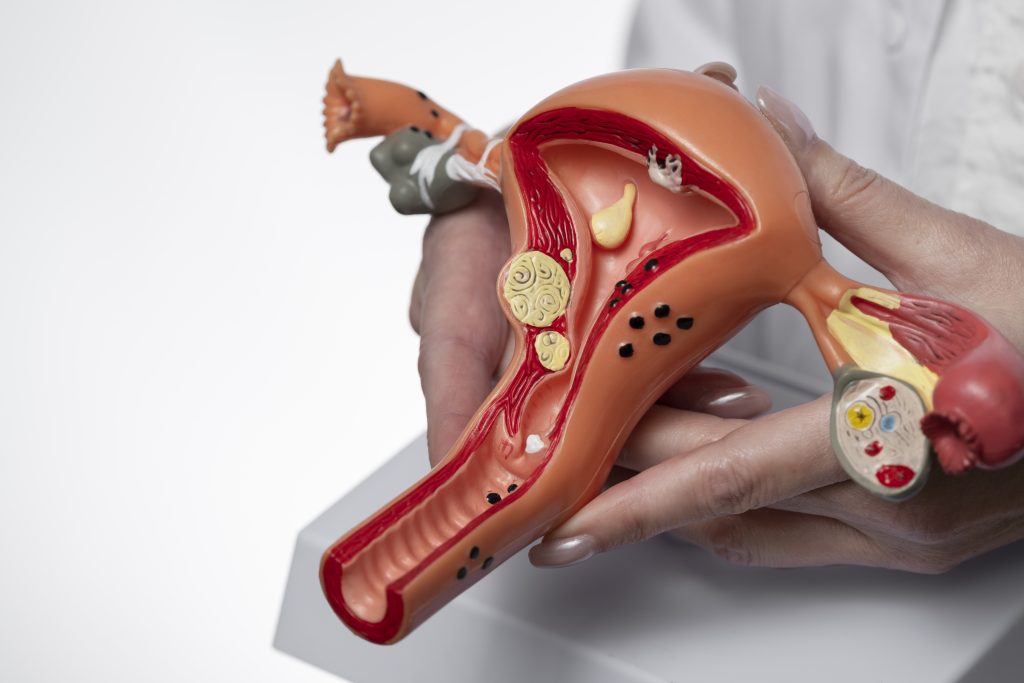
With endometriosis, the endometrial-like tissue acts as endometrial tissue would in response to hormonal changes in your body — it thickens, breaks down and bleeds with each menstrual cycle. But because this tissue has no way to exit your body, it becomes trapped. When endometriosis involves the ovaries, cysts called endometriomas may form. Surrounding tissue can become irritated, inflamed, and eventually developing scar tissue and adhesions — bands of fibrous tissue that can cause pelvic tissues and organs to stick to each other in severe forms of the disease.
Endometriosis most commonly involves your:
- Ovaries
- Fallopian tubes
- Peritoneum — the tissue lining your pelvis
Sometimes involves your:
- Bladder
- Ureters
- Rectum
Rarely, can be found in your:
- Intestines
- Stomach
- Diaphragm
- Lungs
Endometriosis can cause pain — sometimes severe — especially during menstrual periods. Fertility problems also may develop. Fortunately, effective treatments are available.
Endometriosis Symptoms
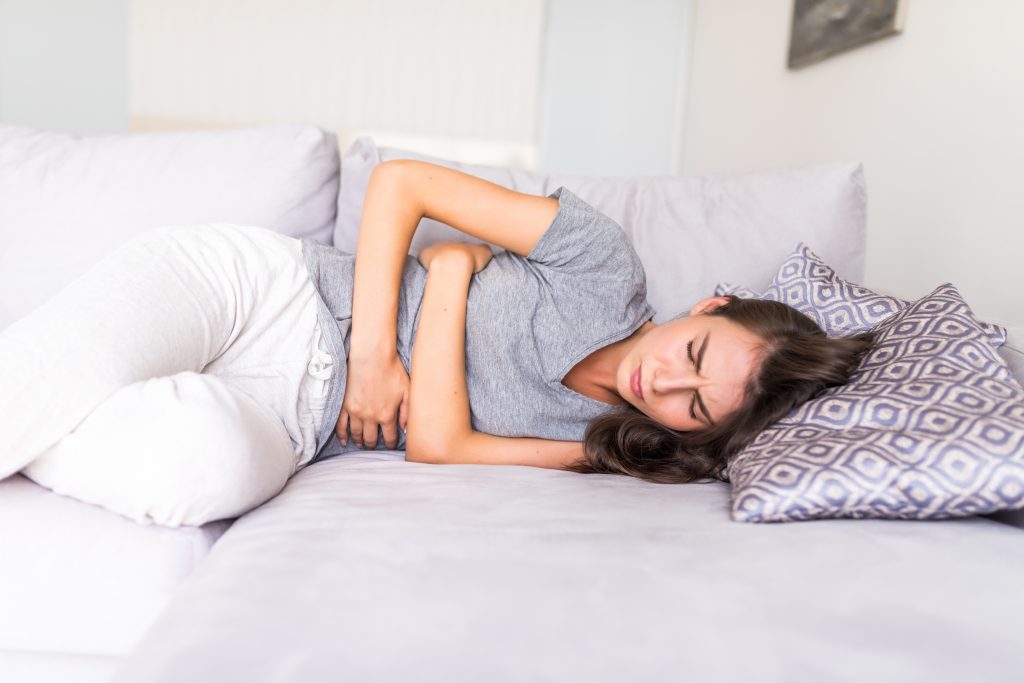
The primary symptom of endometriosis is pelvic pain, often associated with menstrual periods called dysmenorrhea. Although many experience cramping during their menstrual periods, those with endometriosis typically describe menstrual pain that’s far worse than usual. If you start to experience dysmenorrhea years after having normal periods — secondary dysmenorrhea — without severe pain, you may have endometriosis. Pain also may increase over time.
Common Symptoms of Endometriosis
Common symptoms of endometriosis include:
- Painful periods (Dysmenorrhea). Pelvic pain and cramping may begin before and extend several days into a menstrual period. You may also have lower back and abdominal pain.
- Pain with intercourse (Dyspareunia). Pain during or after sex is common with endometriosis as severe as avoid you having sex with your partner.
- Pain with bowel movements or urination. Pain during defecation or urination can be due to endometriosis. You’re most likely to experience these symptoms during a menstrual period.
- Excessive bleeding. You may experience occasional heavy menstrual periods or bleeding between periods (intermenstrual bleeding). If you need to change your pads or tampons every 1 hour or need to use two pads to prevent blood leaking to your underwear means you have heavy periods.
- Infertility. Sometimes, endometriosis is first diagnosed in those seeking treatment for infertility.
- Other signs and symptoms. You may experience fatigue, diarrhea, constipation, bloating or nausea, especially during menstrual periods.
- Depression and anxiety. You may feel less happy due to chronic pain and other complications like fertility problems.
The severity of your pain may not be a reliable indicator of the extent of your condition. You could have mild endometriosis with severe pain, or you could have advanced endometriosis with little or no pain. But the pain intensity can be linked to the anatomic location of deep endometriotic tissue; sever pain during menstruation and sexual intercourse can be correlated with deep peritoneal endometriosis.
Rare Symptoms of Endometriosis
Endometriosis is sometimes mistaken for other conditions that can cause pelvic pain, such as pelvic inflammatory disease (PID) or ovarian cysts. It may be confused with irritable bowel syndrome (IBS), a condition that causes bouts of diarrhea, constipation and abdominal cramping. IBS can accompany endometriosis, which can complicate the diagnosis.
Where is Endometriosis Pain Located?
Pain distribution is variable; however, it is mostly bilateral — felt in both sides of lower abdomen and pelvis — and in some cases, it can radiate to lower back resulted from involving bladder, ureters, and rectum in disease.
How Endometriosis Symptoms Affect Daily Life?
Due to its chronic nature, endometriosis can influence both personal and social life and moreover have economic implications. Menstrual pain which disrupts your day-to-day functioning including physical activities and social relationships may feel you depressed. People who suffer from endometriosis, loose at least 1 hour of both scheduled household chores and employment weekly. It not only can avoid you going to work but also impact your work productivity when you are present there, a condition called presenteeism — an average of 5.3 hours is lost due to presenteeism in endometriosis patients — the more severe symptoms you have, the more hours you lose in employment and household chore productivity. The issue gets harder when you must pay for endometriosis treatments too. Endometriosis may also accompany by pain during intercourse which can lead to avoidance of having sex and affect your sexual health. Additionally, dealing with infertility due to endometriosis can be a reason of lower quality of life in endometriosis patients. But good news is that taking care of yourself through personalized care plans based on your symptom’s patterns and extent of your disease may help alleviate most of the complications and enhance your quality of life. This is what happens by MARCH Health through an AI-based personalized solution including screening, recommendations, and health coaching.
When to See a Doctor:
See a health care professional if you have the following symptoms:
- If you experience heavy bleeding during your periods.
- If your periods last more than 7 days.
- If you experience painful periods that you have not experienced since your first period.
- If you have spotting or bleeding between your periods
- If painful period disrupts your daily life.
The doctor will take a history, perform a physical examination, and ask you to do some clinical tests if needed to make a diagnosis and provide the appropriate treatment based on your situation.
If you’re concerned about endometriosis or think you might be at risk, you can quickly evaluate your situation by taking MARCH Endometriosis assessment.
Endometriosis Causes

There are different hypotheses for explaining the cause of endometriosis which are discussed shortly in the following:
- Retrograde Menstruation: When uterine lining cells flows back to the fallopian tubes instead of getting out through vagina and find a way into the pelvic cavity during menstruation, the endometrial cells can stick to the ovaries or other pelvic organs or even peritoneum and start to response the hormonal changes in your body and lead to endometriosis. Retrograde menstruation happens in 70-90% of women, but it can be more common in endometriosis patients.
- Transformation: It happens when the cells covering the outer surface of the ovaries transform to endometrial cells called epithelium transformation. There is another hypothesis as a reflection of epithelium transformation which says some immune or hormonal factors which are not known yet can lead to transformation of cells lining inner abdomen to endometrial cells and cause endometriosis.
- Stem Cells: Stem cells are a group of cells which can both make more cells like themselves and become other calls. They are found in menstrual blood too and have the potential to get implanted on pelvic organs or peritoneum and cause endometriosis.
- Surgery-related Complications: It happens when endometrial cells stick to abdominal wall or other organs through procedures like cesarean section or hysterectomy.
- Transportation: It happens when endometrial cells move through blood or lymphatic system to other parts of the body.
- Genetics: It seems endometriosis has some genetic links too. If first-degree relative has endometriosis, the risk of endometriosis increases 7 times. The risk of endometriosis in patients’ mothers and sisters is 8.1% and 5.8%, respectively.
Endometriosis Diagnosis & Detection
How Endometriosis is Diagnosed
The diagnosis of endometriosis can be complex due to its symptoms overlapping with other conditions leading to an up to 10 years delay in diagnosis. So, it is important to keep an eye your symptoms pattern and see a doctor when needed to get diagnosed if you have the condition. Some differential diagnosis endometrioses include:
- Adenomyosis
- Pelvic Inflammatory Diseases
- Fibroids
- Irritable Bowel Syndrome
- Ectopic Pregnancy
The diagnosis process includes the following steps, but the order of tests can be changed based on the patients’ situation:
1. History Taking
An exact diagnosis can be occurred by a step-by-step process. The doctor will first take a complete history of you including your age, marriage status, menstrual history, pregnancy history, family and social history and also, will ask about your symptoms and accompanied complications. You should be honest and share your symptoms and other information with your doctor truly to achieve a more precise diagnosis and treatment.
2. Physical Examination
This step will be done if you were ready and feel comfortable for that. The doctor will perform examination by feeling areas in your pelvis with one or two gloved fingers to find any unusual changes like nodules or cysts and pain spots.
3. Ultrasound
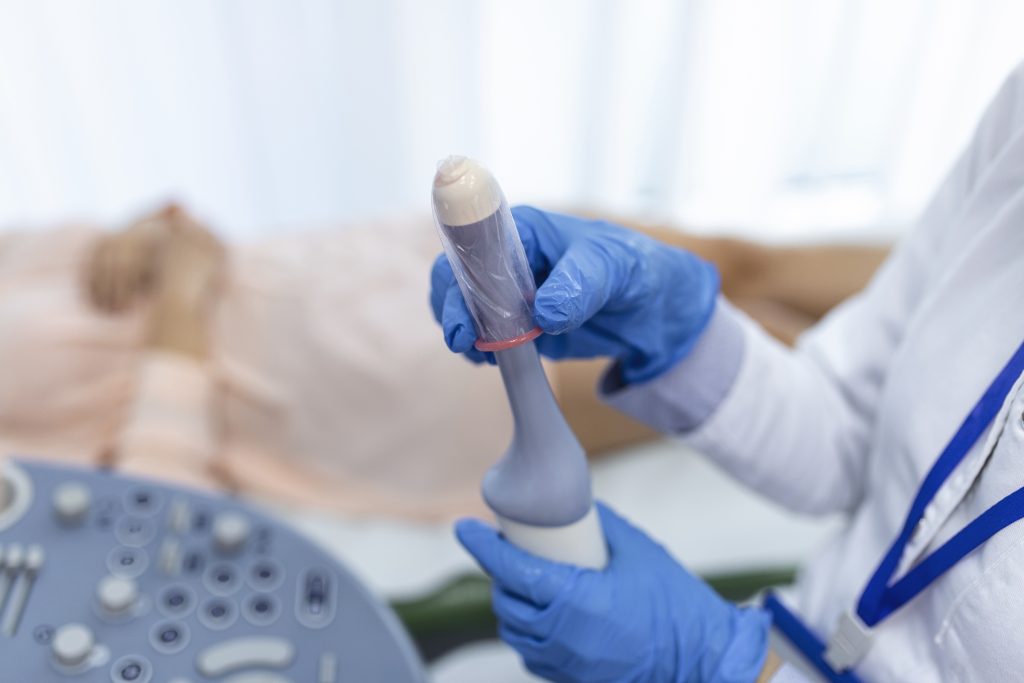
In this noninvasive diagnostic test, the doctor will use a transducer — using sound waves — pressing on your abdomen or inserting through your vagina to view the reproductive organs. Transvaginal ultrasonography provides a better view than abdominal method. This test cannot detect all types of endometrioses, but it can find endometriosis cysts in the ovaries called endometrioma.
4. Magnetic Resonance Imaging (MRI)
This is another noninvasive test uses radio waves to take images in which you lie still on a table that slides into the scanner, and in some cases, a contrast dye may be injected to enhance image clarity.
5. Hysteroscopy
This minimally invasive test is performed by inserting a thin, lighted tube called hysteroscope through the cervix — the entrance of the uterus — into the uterus to examine the uterine cavity for abnormalities. It allows direct visualization and can assist in diagnosing endometriosis-related changes, such as adhesions or lesions within the uterus. The procedure can be done under local or general anesthesia, depending on the complexity.
6. Laparoscopy: The Gold Standard for Diagnosis
Laparoscopy is a minimally invasive surgical procedure that a surgeon uses to diagnose endometriosis by directly visualizing the pelvic organs. A small incision is made near the navel, and a thin tube with a camera (laparoscope) is inserted to examine for endometriotic lesions, adhesions, or cysts. The procedure is performed under general anesthesia and allows for both diagnosis and, if needed, surgical treatment of endometriosis. A tissue sample, known as a biopsy, may be taken by your surgeon for further testing.
7. Blood-Based Testing
A CA-125 test can be utilized in endometriosis diagnosis. But it is not an adequate test for diagnosis. This test was initially developed to assess an individual’s risk of certain gynecological cancers. Elevated CA-125 levels can also occur during menstruation, pregnancy, or due to other noncancerous gynecologic conditions.
8. Urine-Based Testing
Urine sample is one the easily accessible body fluids which can be utilized for endometriosis diagnosis with lower expenses then other invasive diagnostic methods. This aspect significantly enhances patient comfort and lowers the risk associated with diagnostic procedures. For more information about urine tests in endometriosis diagnosis see our blog about it.
Try our Endometriosis Assessment to check for potential symptoms in yourself
Related Conditions
Endometriosis and Infertility
Approximately, 30% of endometriosis patients experience infertility and up to 50% of infertile patients may suffer from endometriosis. Endometriosis related inflammation can cause infertility by damaging eggs or sperms. It also can lead to fallopian tubes blockage due to adhesions in more severe conditions which may avoid fertilization of sperm and egg.
Endometriosis vs. Adenomyosis
Endometriosis and adenomyosis are two different conditions that can cause similar symptoms, like pelvic pain and heavy periods, but they affect the body in distinct ways. Endometriosis occurs when tissue similar to the uterine lining grows outside the uterus. In contrast, adenomyosis happens when the uterine lining grows into the muscle wall of the uterus, making it thicker and often more painful. Adenomyosis can lead to:
- Dysmenorrhea
- Heavy Menstrual Bleeding (Menorrhagia)
- Abnormal Menstruation
- Pelvic Pain
- Painful Intercourse
- Enlarged Uterus
- Bloating
While both conditions can impact your quality of life and fertility, the treatment approach and long-term management may vary, so understanding the difference is key to finding the best care for you.
Endometriosis vs. Cancer Symptoms
Endometriosis and cancer are distinct conditions, but they can share some overlapping symptoms, such as pelvic pain or abnormal bleeding, leading to confusion. Endometriosis involves the growth of tissue similar to the uterine lining outside the uterus, which is non-cancerous but can cause chronic inflammation, adhesions, and fertility issues. Cancer, on the other hand, refers to the uncontrolled growth of abnormal cells that can spread to other parts of the body. While endometriosis is not cancer, certain rare forms, like endometriosis-associated ovarian cancer, may develop in a small percentage of cases, making regular monitoring and appropriate management essential.
Endometriosis vs. Polycystic Ovarian Syndrome
Endometriosis and polycystic ovary syndrome (PCOS) are two distinct conditions that can affect women’s reproductive health but have different causes and symptoms. Endometriosis involves the growth of tissue similar to the uterine lining outside the uterus, leading to pelvic pain, painful periods, and potential fertility issues. PCOS, on the other hand, is a hormonal disorder characterized by:
- Irregular Periods
- Excess Body Hair
- Weight Gain Acne
- Male-pattern Hair Growth
- Multiple Cysts on the Ovaries
While both conditions can impact fertility, their treatment approaches differ, so a clear diagnosis is essential for effective management.
Risk Factors
There are some factors linked to increased risk of endometriosis including:
- Family History: A higher risk is observed in individuals with a first-degree relative (mother or sister) who has endometriosis.
- Early Menstruation: Starting periods at an early age (before 11 years old) increases the likelihood.
- Short Menstrual Cycles: Frequent cycles (less than 27 days) may elevate the risk.
- Heavy or Prolonged Periods: Menstrual flow lasting more than 7 days is associated with endometriosis.
- Delayed Childbearing: Having children later in life or not giving birth may increase susceptibility.
- Low Body Mass Index (BMI): Lower BMI is linked to a higher likelihood of developing the condition.
- Exposure to Estrogen: Prolonged exposure to high levels of estrogen over a lifetime may be a factor.
- Reproductive Tract Abnormalities: Conditions that block menstrual flow, such as Mullerian anomalies, increase the risk.
Beside to risk factors, there are some protective factors against endometriosis including:
- Having birth more than once
- Breastfeeding
- High BMI
- Exercise
- Vegetables and fruits rich diet
Endometriosis in Pregnancy
Endometriosis can pose challenges during pregnancy for some women, although many successfully conceive and carry their pregnancies to term. Hormonal changes in pregnancy, especially increased progesterone levels, may reduce symptoms like pelvic pain by suppressing endometriotic lesions. However, some individuals may still experience discomfort, and there is a slightly elevated risk of complications, such as preterm birth, miscarriage, or placental abnormalities. Close monitoring and appropriate prenatal care are vital to support the health and well-being of both mother and baby.
Connection Between Endometriosis and Immune Function
Endometriosis is believed to have a connection with how the immune system functions, which may help explain why the condition develops and persists. Sometimes, the immune system fails to identify and eliminate the tissue growing outside the uterus, allowing it to survive and spread. This triggers inflammation, as the immune system reacts to the misplaced tissue, leading to pain and tissue damage. Alterations in immune cells and signaling molecules like cytokines further contribute to the chronic nature of the disease.
Inflammation and Its Role in Endometriosis
Inflammation is a major factor in endometriosis and plays a big role in the pain and other symptoms you might be experiencing. When tissue similar to the lining of the uterus grows in places it shouldn’t, your immune system reacts as if it’s trying to heal an injury, causing inflammation. This process releases chemicals like cytokines and prostaglandins, which can irritate nerves, increase pain, and even impact fertility. Inflammation also promotes the formation of scar tissue and adhesions, which can worsen your symptoms over time.
Environmental Factors
Exposure to Environmental Toxins
Exposure to certain environmental toxins might play a role in the development and progression of endometriosis. Substances like dioxins, PCBs, and BPA can interfere with your hormonal balance and immune system, which may encourage the growth of tissue outside the uterus. These toxins are commonly found in things like industrial byproducts, plastics, and pesticides, and they can build up in the body over time, increasing inflammation and stress on your cells. While researchers are still studying this connection, taking steps to reduce exposure to these chemicals might help in managing your symptoms.
Lifestyle Factors
Certain aspects of your lifestyle could raise the chances of developing or worsening endometriosis:
- High stress levels
- Eating a lot of processed foods
- Not being physically active enough
might increase inflammation, which plays a big role in this condition.
Age and Reproductive History
Link Between Endometriosis and Miscarriage
Endometriosis can increase the risk of miscarriage, though it’s important to note that many women with endometriosis still have healthy pregnancies. About 18.9% of endometriosis patients experience miscarriage compared to 17.3% in women without endometriosis. The condition may affect pregnancy in a few ways, such as through inflammation or changes in the uterine environment that make it harder for an embryo to implant or develop. Endometriosis can also affect the fallopian tubes or ovaries, which may influence fertility. However, every case is different, and some women with endometriosis carry pregnancies to term without complications. For more information see our blog about the relationship between endometriosis and miscarriage.
Age
Age can play a role in how endometriosis affects your body. Typically, the condition is diagnosed in women in their 30s and 40s, though it can develop at any age. As you get older, the symptoms of endometriosis may change. For some women, symptoms can worsen as they approach their 40s, especially as hormone levels fluctuate during perimenopause. However, many women notice their symptoms become less severe after menopause, when hormone levels drop. It’s important to remember that endometriosis affects everyone differently, so how it progresses can vary from person to person.
Types of Endometrioses
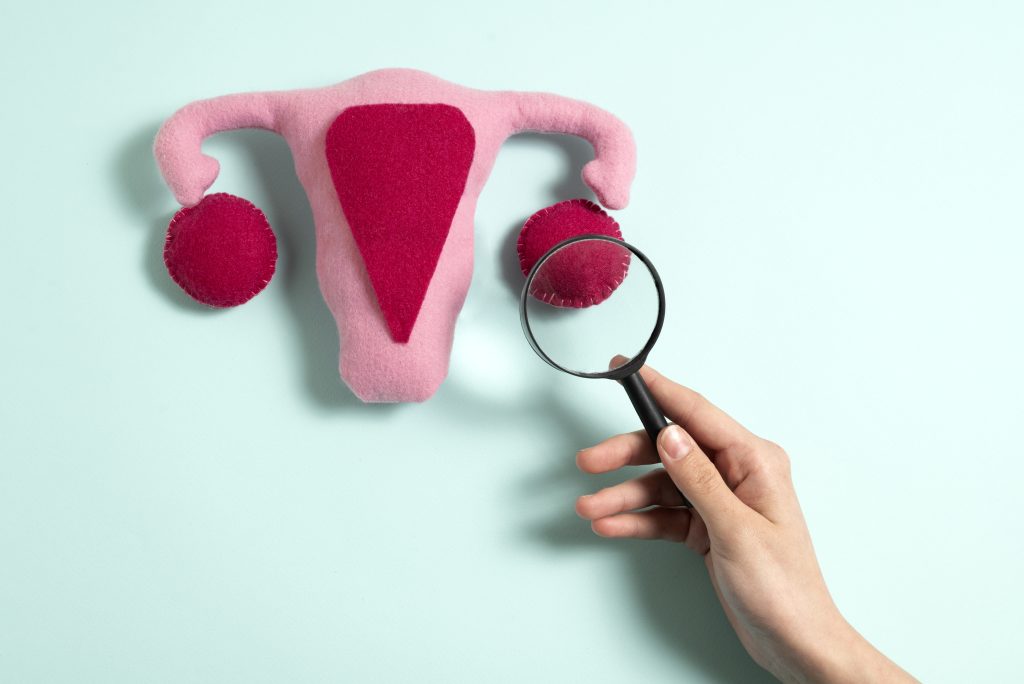
There are three types of endometrioses based on the location of lesions:
- Superficial or Peritoneal Endometriosis (SPE): In this type of endometriosis, small patches of tissue grow on the lining of the pelvic cavity.
- Ovarian Endometrioma (OMA): In this type of endometriosis, cysts filled with old blood that form on the ovaries and are sometimes called “chocolate cysts”.
- Deep Infiltrating Endometriosis (DIE): In this type of endometriosis, tissue grows into the walls of nearby organs, such as the bowel or bladder, causing more intense symptoms.
Each type may require a different approach to management, so identifying the type of endometriosis you have is an important step in your care.
Stage of Endometriosis
Endometriosis can range from mild to severe, and the severity doesn’t always match the level of pain or symptoms you experience. Mild endometriosis usually involves small patches of endometrial-like tissue growing outside the uterus, often with minimal scar tissue. Severe cases, on the other hand, may include extensive growths, deep lesions, and significant scar tissue or adhesions that can affect nearby organs like the ovaries, fallopian tubes, or even the bowel. While mild cases might cause little to no discomfort, severe endometriosis can lead to chronic pain, fertility challenges, and other complications. Your treatment plan will depend on how the condition is affecting your body, not just its classification, so it’s important to share your experiences with your doctor.
Endometriosis Treatment Options
Treatment choice of endometriosis depends on each patient’s characteristics such as age, symptoms severity, type and stage of the disease, accompanied complications, fertility desire, etc. Your doctor will make a decision based on your condition through a personalized care plan.
Non-Surgical Treatments
1. Nonsteroidal Anti-Inflammatory Drugs (NSAIDs): These medicines include ibuprofen or naproxen. They can help ease painful menstrual cramps.
2. Hormone Therapy
- Hormonal Birth Control Agents: It is not necessary to start medication or any treatments for all patients. In some cases, improving lifestyle and controlling the triggers can alleviate the symptoms without medical treatments.
- Gonadotropin Releasing Hormone (GnRH) Agonists and Antagonists: These medicines inhibit menstruation by lowering estrogen levels and providing a menopause-like status in your body which can have side-effects like vaginal dryness, hot flushes, and bone loss. These side-effects can be controlled by consumption of a low dose of estrogen or progestin along with. After stopping the medicines, your periods and pregnancy will come back.
- Progestins: Progestin is a synthetic version of a natural hormone involved in the menstrual cycle and pregnancy. Different progestin treatments can help stop menstrual periods and slow the growth of endometriosis tissue, which may ease symptoms. Options include:
- Intrauterine Devices (IUDs): A small device inserted into the uterus that releases levonorgestrel.
- Implants: A contraceptive implant placed under the skin of the arm
- Birth control injections
- Progestin-only pills
- Aromatase Inhibitors: These are a group of medications that work by reducing the levels of estrogen in the body.
Surgical Treatments
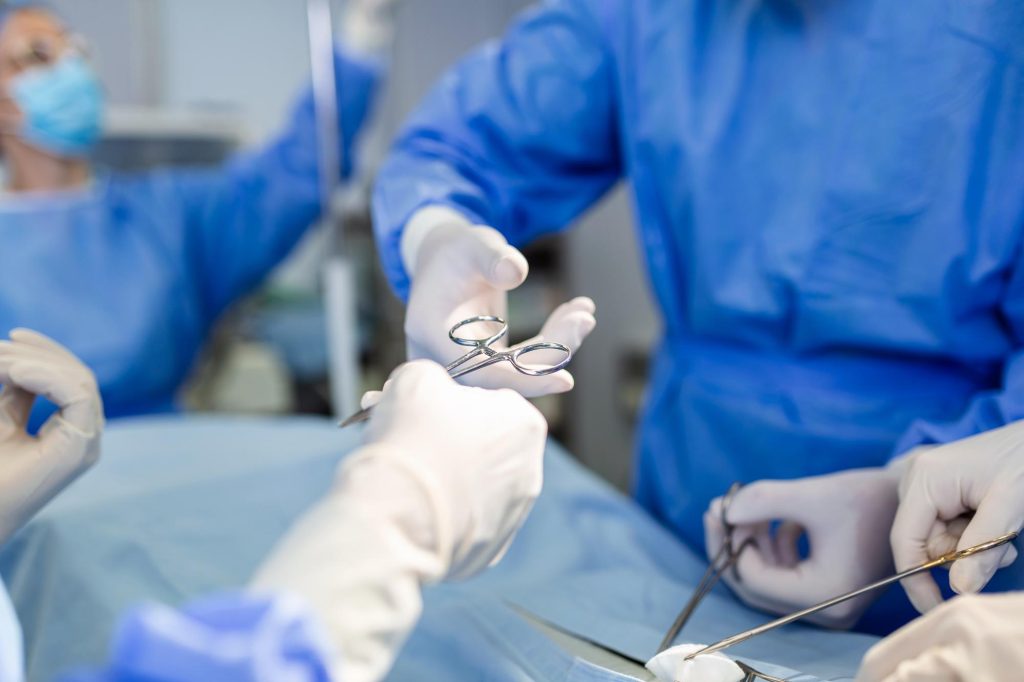
Surgery in endometriosis treatment can be done to either remove the endometrial tissues with keeping reproductive organs (conservative surgery) or remove the uterus (with or without ovaries). The choice is based on the patient’s fertility desires and disease severity.
Conservative Surgery
Conservative surgery is performed to remove endometriosis tissue while preserving the uterus and ovaries. It can improve fertility and relieve pain, though symptoms may return over time. This procedure is usually done through small incisions using laparoscopic surgery. In more severe cases, larger incisions may be required to remove scar tissue. During laparoscopy, a small camera (laparoscope) is inserted through a tiny incision near the belly button, and surgical instruments are used to remove the tissue through other small cuts. Some surgeons may use robotic assistance for more precise control. After surgery, hormone therapy may be recommended to help manage pain.
Endometrioma Surgery
If you have endometriomas surgery may be recommended to remove them. The goal of endometrioma surgery is to eliminate these cysts while preserving as much healthy ovarian tissue as possible, which can help maintain your fertility. If you are planning to have children in the future, fertility preservation options like egg freezing might be discussed before surgery, especially if the cysts are large or affecting your ovarian reserve. It’s important to know that while surgery can improve fertility, there’s still a chance that endometriosis could impact your ability to conceive, and recurrence of endometriosis can happen over time. Your doctor will work with you to find the best approach based on your health, age, and reproductive plans.
Hysterectomy
Clinicians may consider a hysterectomy, which involves removing the uterus (with or without the ovaries), in women who no longer wish to conceive and have not responded to more conservative treatments. If the ovaries are removed (oophorectomy), it causes early menopause, which may alleviate endometriosis pain for some, but symptoms could persist for others. It’s important for women to understand that a hysterectomy may not necessarily cure the disease or resolve all symptoms. When deciding whether to remove the ovaries, the long-term effects of early menopause and the potential need for hormone replacement therapy should be carefully considered. A total hysterectomy is generally preferred when this procedure is performed.
Recurrence After Surgery
Up to 8 in 10 women experience pain again within 2 years after surgery for endometriosis. Consumption of birth control pills or other medications after having surgery may help extend the pain-free period.
Home Remedies
There are some tips to alleviate endometriosis symptoms by yourself at home including:
- Heat Therapy: Applying a heating pad or warm compress to the lower abdomen can help reduce pelvic pain and cramping.
- Dietary Adjustments: Eating an anti-inflammatory diet rich in fruits, vegetables, and whole grains, while reducing processed foods, may help manage symptoms.
- Exercise: Regular physical activity, like walking or yoga, can reduce pain and improve overall well-being by boosting blood flow and reducing stress.
- Herbal Supplements: Some women find relief with herbal supplements like turmeric or ginger, which have natural anti-inflammatory properties. Always check with your doctor before starting new supplements.
- Stress Management: Techniques like meditation, deep breathing exercises, and mindfulness can help manage stress, which may reduce pain and improve quality of life.
- Acupuncture: Some studies suggest that acupuncture may help with pain management by promoting relaxation and improving blood circulation in the pelvic area.
- Adequate Sleep: Getting enough rest can help your body recover and cope with the pain associated with endometriosis.
Alternative Treatments
However, there is insufficient evidence about the complementary treatments for endometriosis, there are some options based on evidence that can be advised for the patients who are willing to test including:
- Acupuncture: This traditional therapy involves inserting thin needles into specific points on your body to help relieve pain and balance the body’s energy. Some women find it effective for reducing pelvic pain and improving overall comfort.
- Physiotherapy: Specialized pelvic physiotherapy can help with pelvic pain, improve pelvic floor muscle function, and teach you exercises to manage and reduce symptoms, especially if you experience discomfort with movement or during intercourse.
- Psychological Interventions: Cognitive-behavioral therapy (CBT) or counseling can be beneficial for managing the emotional and mental stress associated with chronic pain. It can also help in addressing anxiety, depression, or stress related to endometriosis.
Prevention of Endometriosis

Endometriosis Awareness
Currently, there’s no guaranteed way to prevent endometriosis, but there are steps you can take to reduce your risk or manage the condition more effectively.
Regular exercise and maintaining a healthy weight may help lower estrogen levels, which could reduce the growth of endometriosis tissue.
Some studies suggest that using hormonal birth control, like birth control pills, can help prevent the tissue from growing or help control symptoms, though this doesn’t completely eliminate the risk.
Early diagnosis and treatment are key to managing endometriosis before it progresses too much. While we don’t fully understand all the causes, staying informed, managing symptoms early, and maintaining a healthy lifestyle can help improve your quality of life.
Artificial Intelligence & Endometriosis
For this H2 I suggest designing a photo ourselves.
MARCH Health & Endometriosis
Artificial intelligence (AI) is becoming an exciting tool in the world of medicine, including in the diagnosis and management of endometriosis. MARCH Health March Health uses AI-powered tools to assist women in managing endometriosis. This platform helps individuals track symptoms, manage pain, and gain personalized insights based on their health data. One key feature is their symptom and cycle tracking system, where women can log their pain levels and other symptoms, allowing the app to generate AI-based recommendations and health reports. These insights are designed to support symptom management, give timely feedback, and help users understand the patterns in their health.
The platform also integrates health coaching, providing personalized advice and connecting users with health advocates to discuss their experiences. This AI-driven approach enables women to monitor their condition over time, which can be particularly valuable in managing chronic conditions like endometriosis.
For more information about leveraging AI in the development of self-assessment tools for endometriosis see our related blog here!
Case Studies

Celebrities with Endometriosis
Have you ever heard about celebrities suffering from endometriosis? If you are diagnosed with endometriosis, it’s not just about you! Let’s read the stories behind celebrities’ endometriosis journey!
The actress Emma Roberts openly shared her journey with endometriosis and its impact on her fertility. After years of undiagnosed symptoms, Roberts learned about her condition and was advised to freeze her eggs as a precaution. Despite this, she later became pregnant and welcomed her first child in December 2020. Roberts emphasized the importance of raising awareness about endometriosis, sharing how discussions with other women helped her understand she wasn’t alone in facing fertility challenges.
Actress and writer Lena Dunham underwent multiple surgeries for endometriosis, including a total hysterectomy at age 31, due to chronic pain that was unresponsive to other treatments. Her openness about the physical and emotional toll of the disease, particularly on fertility and mental health, has sparked important conversations about the need for more effective treatments. Dunham’s story highlights the severe impact endometriosis can have on quality of life and the importance of comprehensive, individualized care.
If you are interested in how celebrities are shaping awareness of endometriosis, follow this link!
- March Health Joins Mayo Clinic Platform_Accelerate to Advance the Future of Women’s Health
- Meditation Techniques For Pain Relief: A Comprehensive Guide
- The Ultimate Guide to Pain-Friendly Workouts: Low-Impact Exercises, Gentle Fitness & Movement Therapies for Chronic Pain
- How Diet Can Influence Endometriosis: Understanding the Best and Worst Foods for Managing Symptoms Naturally
- Living with Endometriosis: Tips for Managing Pain and Improving Quality of Life