12 Effective Endometriosis Lifestyle Changes for Managing Endometriosis: A Practical Guide
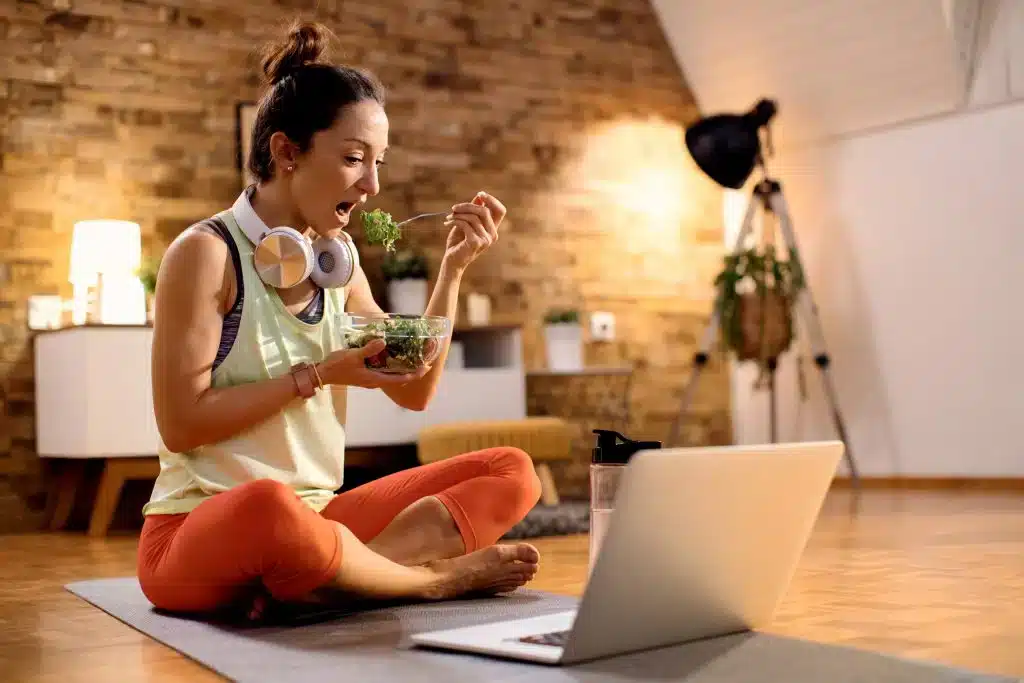
After an endometriosis diagnosis, 92% of women experienced a decline in daily life and 76% of women with endometriosis employ self-management strategies. Studies revealed that improvement in lifestyle modification (diet and exercise) is correlated with a reduction in endometriosis related symptoms.
Are you looking for some helpful endometriosis lifestyle changes that can help alleviate your endometriosis symptoms and bring more vitality into your life? If you are a person with endometriosis and wondering what kinds of lifestyle changes for endometriosis actually work, then you are in the right spot. Implementing endometriosis lifestyle changes effectively can lead to significant improvements in your condition.
In this article, we are going to cover 12 of the most powerful endometriosis lifestyle changes, including diet, exercise, stress management, hydration, and more. Our practical guide outlines clear, actionable steps to take the lead in the care of your symptoms.
Additionally, these endometriosis lifestyle changes can empower you to take control of your health and well-being.
For more on related challenges, check out our article on endometriosis diagnostic delay.
Ready to learn more? Keep reading as we explore each change in detail!
What Are the Lifestyle Factors for Endometriosis?
- Diet: The food you eat can reduce inflammation and pain, helping you manage endometriosis effectively.
- Exercise: Low-impact workouts and yoga improve circulation and reduce discomfort.
- Stress Management: Techniques like mindfulness and meditation ease flare-ups.
- Sleep and Hydration: Consistent quality sleep and proper hydration are vital for healing and overall endometriosis lifestyle management.
With March, you can track your symptoms and daily habits, offering personalized recommendations, at-home test kits, and an AI assistant to guide you based on your unique needs. Whether it’s diet, exercise, or symptom relief, March adapts to your lifestyle to help you feel better every day.
Here are the 12 endometriosis lifestyle changes you can adopt today and in whole your life:
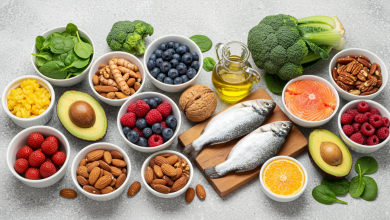
1. Adopt an Anti-Inflammatory Diet for Endometriosis
What Should You Not Drink with Endometriosis?
Avoid sugary sodas and high-caffeine beverages that can trigger flare-ups.
- Tip: Opt for water, herbal teas, or fresh vegetable juices to stay hydrated and support your diet.
- Worst Foods: Processed foods, refined sugars, and high-fat dairy products may worsen inflammation.
Remember: Combining proper diet and lifestyle changes for endometriosis is key to achieving relief.
Consider how these endometriosis lifestyle changes can fit into your everyday routine.
Learn more about endometriosis treatment for further guidance on managing your symptoms.
Caffeine Concerns: Why is caffeine bad for endometriosis?
It is found that caffeine may worsen the symptoms of endometriosis by altering estrogen levels and promoting inflammation-factors that may promote the growth of endometrial tissue and pains. Besides, caffeine increases sensitivity to pain and may interfere with sleep, further increasing discomfort.
2. Avoid Processed and Refined Foods
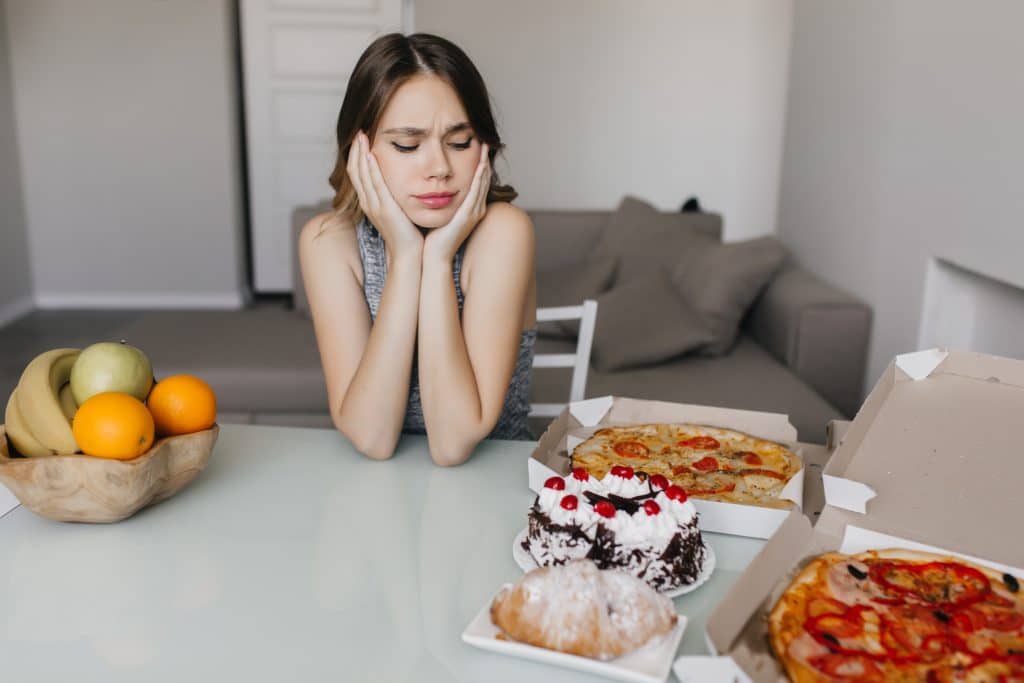
Avoiding highly processed and sugary foods is crucial when making lifestyle changes for endometriosis. These foods can increase inflammation and exacerbate symptoms, making them counterproductive to your treatment goals. Stick to whole, natural food items like vegetables, lean proteins, and healthy fats to support your efforts to manage endometriosis.
3. Go Gluten-Free
Many women with endometriosis find relief by adopting a gluten-free diet. Eliminating gluten from your meals could potentially reduce bloating, pain, and inflammation. Although this lifestyle changes to help endometriosis might not be necessary for everyone, it’s worth trying for some symptom relief.
Implementing these endometriosis lifestyle changes can lead to a positive impact on your overall well-being.
4. Incorporate Omega-3 Rich Foods
Omega-3 fatty acids are known for their anti-inflammatory properties. Adding foods like salmon, chia seeds, and walnuts to your diet can help reduce inflammation and ease endometriosis pain. Aim to include omega-3-rich foods in at least two meals a week as part of your lifestyle changes for endometriosis.
- Why They Help: Omega-3s lower inflammation, which can reduce pain and improve overall endometriosis symptoms.
- Sources: Include fatty fish, flaxseeds, chia seeds, and walnuts in your meals.
5. Include Magnesium-Rich Foods
Magnesium-rich foods, like spinach, pumpkin seeds, and almonds, are beneficial in reducing cramps and promoting muscle relaxation. Magnesium plays a critical role in managing endometriosis pain. Making these foods a staple in your diet is an effective lifestyle change to improve your symptoms.
- Examples: Leafy greens, nuts, seeds, and legumes are excellent natural food choices for managing endometriosis.
- Benefits: Magnesium aids in muscle relaxation and alleviates pain.
Mindfulness and meditation are important endometriosis lifestyle changes to consider for stress relief.
6. Practice Low-Impact Exercise Regularly
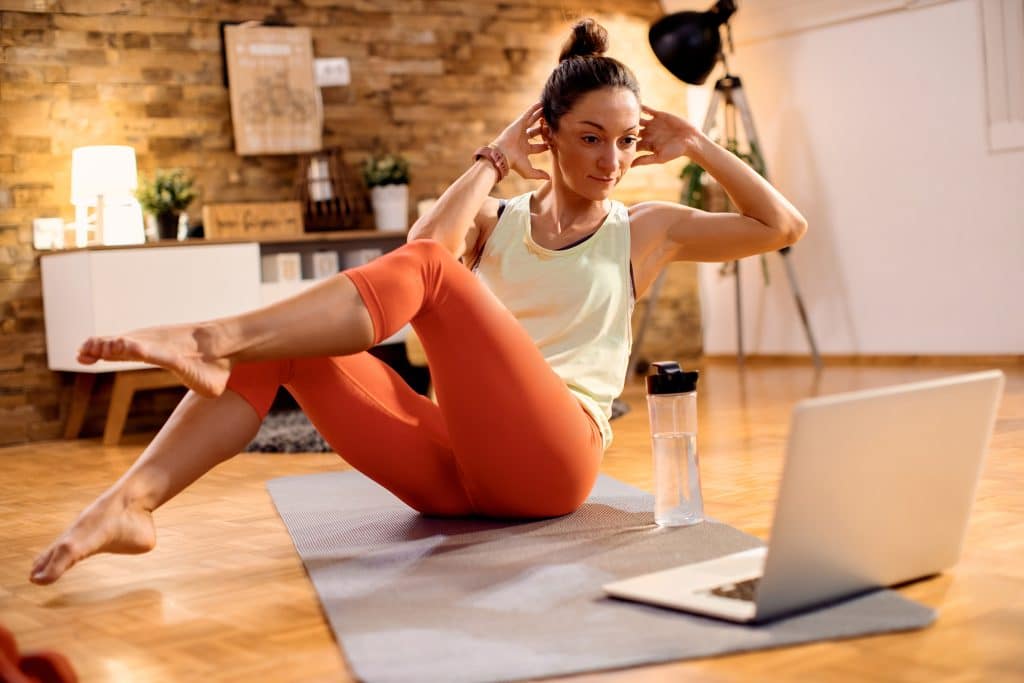
Regular, low-impact exercise is one of the best lifestyle changes for endometriosis. Low-impact activities such as swimming, cycling, and walking help improve circulation, reduce stress, and decrease inflammation—all while being gentle on your body. Incorporating regular exercise can also support weight management, which is beneficial for balancing hormones.
To understand more about how exercise impacts symptoms, read our article on dysmenorrhea period pain.
How to Lose Belly Fat with Endometriosis (endo belly)?
- Strategy: Incorporate gentle cardio like brisk walking or cycling.
- Advice: Focus on consistent, moderate exercise rather than intense workouts.
7. Add Yoga to Your Routine
Yoga can be a game-changer for managing endometriosis pain. Certain poses, like child’s pose and cat-cow, are particularly helpful for stretching the pelvic area and reducing discomfort. Yoga not only improves flexibility but also promotes stress relief—a holistic lifestyle changes for endometriosis.
8. Try Pelvic Floor Exercises
Strengthening the pelvic floor muscles can help alleviate pain and improve bladder control. Pelvic floor exercises such as Kegels can reduce pelvic pressure and cramps, two common symptoms of endometriosis. This is an essential step in your lifestyle changes for endometriosis.
By implementing these endometriosis lifestyle changes, you can work towards managing your symptoms effectively.
9. Practice Mindfulness and Meditation
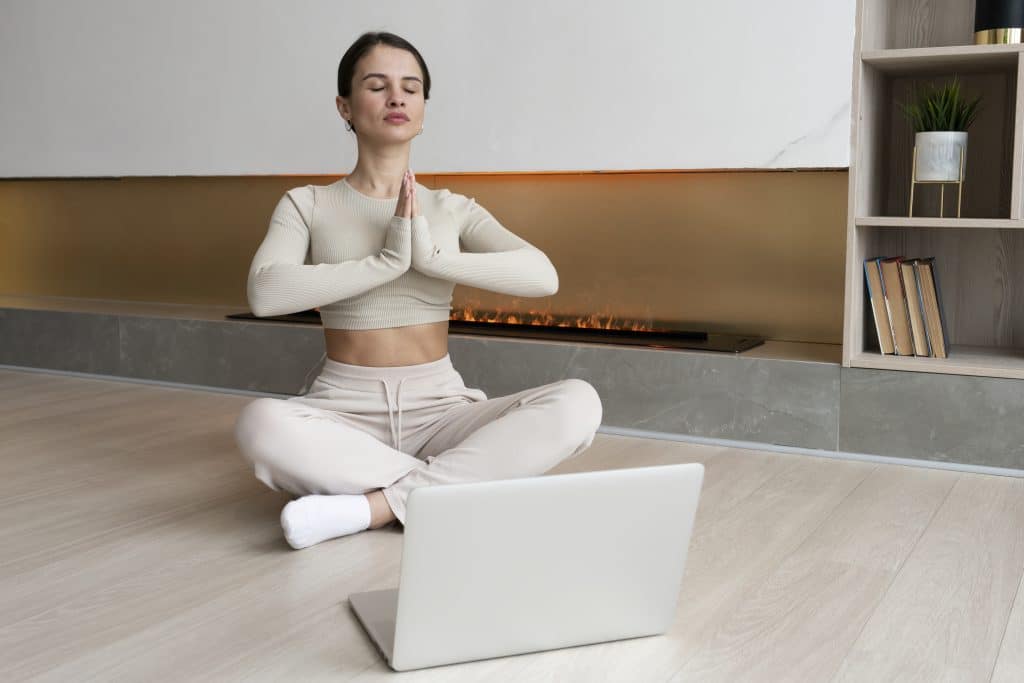
Stress is a well-known trigger for endometriosis flare-ups. Incorporating mindfulness meditation can help lower stress levels and reduce inflammation—key lifestyle changes to help endometriosis. Techniques such as deep breathing and guided meditation are simple yet effective methods to ease both physical and emotional symptoms.
10. Use Heat Therapy for Endometriosis Pain Relief
Heat therapy can help soothe pelvic pain. Whether it’s a warm bath or a heating pad, applying heat to your lower abdomen can relax muscles and reduce discomfort. This accessible practice is one of the most beneficial lifestyle changes to manage endometriosis and provide immediate relief for endometriosis pain.
11. Consider Acupuncture for Pain Management
Acupuncture is an ancient practice that may help manage endometriosis pain by promoting blood flow and reducing inflammation. Many women find that regular acupuncture sessions ease pelvic pain, bloating, and cramping. Although many ask, can lifestyle changes cure endometriosis? —acupuncture is a complementary treatment that forms part of a holistic approach to manage endometriosis.
For more on alternative treatments, see our article on alternative therapies for endometriosis.
12. Prioritize Sleep and Rest
Getting enough quality sleep is essential for managing endometriosis symptoms. Lack of sleep can worsen pain and fatigue, so prioritize a healthy sleep routine by aiming for 7–9 hours of quality rest each night. This final lifestyle change with endometriosis can dramatically improve your overall well-being and has, for many, truly saved them from constant discomfort.
Conclusion – Personalized Endometriosis Lifestyle Management
In summary, here are the 12 endometriosis lifestyle changes you can adopt today to significantly improve your quality of life:
- Tip 1: Adopt an anti-inflammatory diet (including omega-3 fatty acids and magnesium-rich foods for endometriosis).
- Tip 2: Avoid processed and refined foods.
- Tip 3: Go gluten-free.
- Tip 4: Incorporate omega-3 rich foods.
- Tip 5: Include magnesium-rich foods.
- Tip 6: Practice low-impact exercise.
- Tip 7: Add yoga to your routine.
- Tip 8: Try pelvic floor exercises.
- Tip 9: Practice mindfulness and meditation.
- Tip 10: Use heat therapy for pain relief.
- Tip 11: Consider acupuncture as part of your treatment.
- Tip 12: Prioritize sleep and rest.
Every woman’s journey with endometriosis is unique. Our innovative app offers personalized recommendations for endometriosis lifestyle changes based on your specific symptoms and needs. By leveraging data from your personal health journey, our app customizes diet plans, exercise routines, and stress management techniques that truly work to manage endometriosis.
Discover our comprehensive approach to endometriosis management and learn how you can integrate these changes into your daily routine.
Download our app today to start receiving tailored advice, balance your hormones, and take the next step toward transforming your life with endometriosis.
Ready to experience real change? Download the app now for your personalized endometriosis management plan!
FAQs On Endometriosis Lifestyle
What foods help manage endometriosis symptoms?
Anti-inflammatory foods like salmon, leafy greens, and gluten-free options can help reduce endometriosis symptoms.
Can yoga help with endometriosis pain?
Yes, yoga helps relieve pelvic pain by improving flexibility and reducing stress. It’s an effective u003cstrongu003eendometriosis lifestyle changeu003c/strongu003e.
How can I reduce stress with endometriosis?
Mindfulness meditation, progressive muscle relaxation, and seeking therapy are all great ways to reduce stress and manage endometriosis.
What supplements should I take for endometriosis?
Supplements like u003cstrongu003eomega-3 fatty acidsu003c/strongu003e, u003cstrongu003emagnesiumu003c/strongu003e, and u003cstrongu003evitamin Du003c/strongu003e can help manage symptoms of endometriosis.
u003cstrongu003eWhat are the lifestyle factors for endometriosis?u003c/strongu003e
Lifestyle factors such as u003cstrongu003eendometriosis lifestyle changesu003c/strongu003e, diet, exercise, stress management, sleep, and hydration all play a crucial role in managing endometriosis symptoms and supporting overall u003cstrongu003eendometriosis treatmentu003c/strongu003e.
u003cstrongu003eCan lifestyle changes cure endometriosis?u003c/strongu003e
While u003cstrongu003elifestyle changes for endometriosisu003c/strongu003e can significantly improve symptoms and quality of life, they do not cure the underlying condition. They are designed to help you u003cstrongu003emanage endometriosisu003c/strongu003e and reduce discomfort.
u003cstrongu003eDo and Don’ts for Endometriosis?u003c/strongu003e
Do focus on an anti-inflammatory, gluten-free u003cstrongu003edietu003c/strongu003e, regular low-impact exercise, and proper sleep. Don’t consume excessive caffeine or alcohol, as these can worsen symptoms and interfere with your treatment.
u003cstrongu003eWhy is caffeine bad for endometriosis?u003c/strongu003e
Some studies have found that caffeine may worsen the symptoms of endometriosis by u003cspan style=u0022text-decoration: underline;u0022u003ealtering estrogen levels and promoting inflammation-factors that may promote the growth of endometrial tissue and pains.u003c/spanu003e Besides, caffeine increases sensitivity to pain and may interfere with sleep, further increasing discomfort.
u003cstrongu003eHow to lose belly fat with endometriosis?u003c/strongu003e
Incorporate low-impact exercises like walking or cycling and follow a balanced, anti-inflammatory u003cstrongu003edietu003c/strongu003e to gradually lose belly fat while easing discomfort.
u003cstrongu003eCan drinking lots of water help with endometriosis?u003c/strongu003e
Yes, proper hydration reduces inflammation and supports overall body functions, easing some endometriosis symptoms effectively.
u003cstrongu003eCan lifestyle changes reverse endometriosis?u003c/strongu003e
Although lifestyle changes to improve endometriosis can drastically reduce symptoms and enhance well-being, they typically do not reverse the condition entirely.
u003cstrongu003eWhat Triggers Endometriosis Flare-Ups?u003c/strongu003e
Small adjustments in your u003cstrongu003eendometriosis lifestyleu003c/strongu003e can significantly reduce flare-ups.u003cbru003eu003cstrongu003eStressu003c/strongu003e, poor sleep, and an unhealthy diet can all flare up endometriosis.u003cbru003eu003cstrongu003eLifestyle factorsu003c/strongu003e such as caffeine and alcohol consumption are common triggers.
u003cstrongu003eIs Endometriosis a Lifestyle Disease?u003c/strongu003e
While genetics play a role, many experts agree that your daily habits—your u003cstrongu003eendometriosis lifestyleu003c/strongu003e—can significantly influence the severity of your symptoms. Embracing u003cstrongu003elifestyle changes for endometriosisu003c/strongu003e may not cure the condition, but they are a powerful tool to u003cstrongu003emanage endometriosisu003c/strongu003e and improve quality of life by balancing essential u003cstrongu003ehormonesu003c/strongu003e like estrogen.
- March Health Joins Mayo Clinic Platform_Accelerate to Advance the Future of Women’s Health
- Meditation Techniques For Pain Relief: A Comprehensive Guide
- The Ultimate Guide to Pain-Friendly Workouts: Low-Impact Exercises, Gentle Fitness & Movement Therapies for Chronic Pain
- How Diet Can Influence Endometriosis: Understanding the Best and Worst Foods for Managing Symptoms Naturally
- Living with Endometriosis: Tips for Managing Pain and Improving Quality of Life