How Diet Can Influence Endometriosis: Understanding the Best and Worst Foods for Managing Symptoms Naturally
Living with endometriosis often feels like navigating a maze of pain, fatigue, and frustration. But what if the key to unlocking relief could start in your kitchen? Emerging research suggests that diet plays a pivotal role in managing endometriosis symptoms, a condition affecting 1 in 10 women worldwide . While there’s no cure, certain foods can either fuel inflammation or help calm it, making dietary choices a powerful tool in your wellness arsenal. Let’s dive into how you can harness food to reclaim control over your body and ease the burden of endometriosis.
The Endo-Diet Connection: Why Food Matters
Endometriosis occurs when tissue similar to the uterine lining grows outside the uterus, triggering inflammation, scarring, and pain. This inflammation isn’t just a side effect; it’s a driving force behind symptom severity. Estrogen, a hormone that stimulates endometrial growth, also plays a starring role. Foods that promote inflammation or disrupt hormone balance can worsen symptoms, while anti-inflammatory, nutrient-dense options may offer relief.
But let’s be clear: Diet isn’t a magic bullet. It’s one piece of a larger puzzle that includes medical treatments, exercise, and stress management. That said, in a large international survey, approximately 45% of participants reported reduced pain after eliminating gluten or dairy. However, these findings are based on self-reported data and may not apply universally. It’s advisable to consult with a healthcare professional before making significant dietary changes, and 53% see improvements when cutting alcohol. These aren’t just anecdotes, science is starting to back up what many have experienced firsthand.
Foods to Embrace: Your Anti-Inflammatory Toolkit
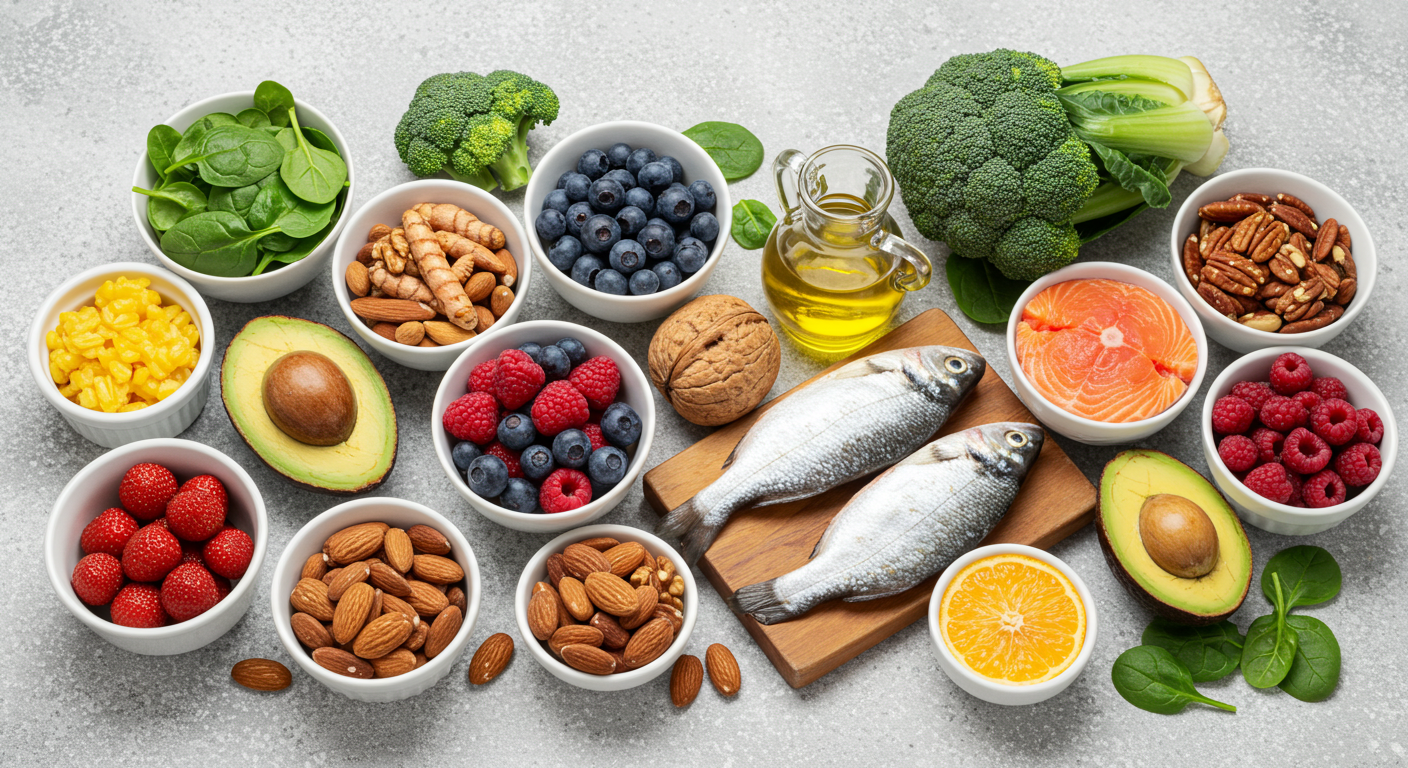
Think of your plate as a canvas for fighting inflammation and balancing hormones. Here’s what to load up on:
1. Omega-3 Fatty Acids: Nature’s Inflammation Fighters
Fatty fishlike salmon, sardines, and mackerel, are rich in omega-3s, which reduce inflammatory prostaglandins linked to pelvic pain. Plant-based sources like walnuts, chia seeds, and flaxseed are equally powerful. A 2010 study found that women with higher omega-3 intake had a lower risk of developing endometriosis
2. Fiber-Rich Foods: Estrogen’s Natural Regulator
Fiber helps your body eliminate excess estrogen through digestion. Aim for 35 grams daily from leafy greens, legumes, and whole grains. For example, a black bean salad with quinoa and kale checks all the boxes: fiber, iron, and antioxidants.
3. Antioxidant Powerhouses: Color Your Plate
Brightly colored fruits and vegetables (think berries, spinach, and beets) combat oxidative stress, a key player in endometriosis progression. One trial found that vitamins C and E supplements significantly reduced pelvic pain compared to a placebo.
4. Magnesium-Rich Foods: Muscle Relaxers
Dark chocolate (70% + cacao), almonds, and spinach are rich in magnesium, which eases menstrual cramps and relaxes pelvic muscles.
5. Turmeric and Green Tea: Spice Up Your Routine
Curcumin (in turmeric) and EGCG (in green tea) have shown promise in reducing endometrial lesions in animal studies. While human trials are ongoing, adding golden milk lattes or matcha to your day couldn’t hurt.
Foods to Avoid: The Inflammatory Culprits
Just as some foods heal, others can harm. Here’s what to limit or skip:
1. Red Meat and Processed Meats
High intake of red meat is linked to a 56% increased risk of endometriosis, likely due to its saturated fat and hormone-disrupting compounds. Swap beef for chicken, turkey, or plant-based proteins like lentils.
2. Gluten and High-FODMAP Foods
Gluten may trigger inflammation in sensitive individuals. A study of 207 women found 75% experienced pain relief on a gluten-free diet. High-FODMAP foods (like garlic and onions) can worsen bloating. Try a low-FODMAP trial with a dietitian’s guidance.
3. Alcohol and Caffeine
Alcohol spikes estrogen levels, while caffeine exacerbates inflammation. Limit coffee to <200 mg daily (one small cup) and alcohol to 1–2 drinks weekly.
4. Dairy and Soy
While dairy products can contain hormones that mimic estrogen, the impact of soy’s phytoestrogens on endometriosis is complex. Some studies suggest that soy may have protective effects, while others indicate potential risks. Individuals should consider their personal health context and consult healthcare providers when evaluating soy consumption.
5. Refined Sugars and Trans Fats
Cookies, fried foods, and processed snacks fuel inflammation. A 2025 study found 40% of women felt better after ditching processed foods.
The Endo-Friendly Diet at a Glance
To simplify, here’s a quick-reference table comparing key foods:
| Best Foods for Endo | Why They Help | Worst Foods for Endo | Why They Harm |
| Fatty fish (salmon, mackerel) | Reduces inflammation | Red meat | Increases estrogen, inflammation |
| Leafy greens (kale, spinach) | High in fiber, magnesium | Gluten-containing grains | Triggers inflammation |
| Berries (blueberries, etc.) | Rich in antioxidants | Alcohol | Spikes estrogen, liver stress |
| Turmeric | Anti-inflammatory curcumin | Processed snacks | Promotes systemic inflammation |
| Walnuts, chia seeds | Omega-3s for hormone balance | Dairy | Contains growth hormones |
Supplements and Herbs: Boosting Your Diet
While food comes first, supplements can fill gaps:
- Vitamin D: Low levels are linked to increased pain; aim for 2,000 IU daily.
- NAC (N-Acetylcysteine): Shrinks endometrial cysts in trials.
- Magnesium: Eases cramps; try baths with Epsom salts.
Always consult your doctor before starting supplements, as they can interact with medications!
Lifestyle Synergy: Beyond the Plate
Diet works best paired with:
- Exercise: Yoga and walking reduce stress hormones linked to inflammation.
- Sleep: Poor sleep worsens inflammation; aim for 7–9 hours nightly.
- Stress Management: Meditation and breathing exercises lower cortisol.
Personalization is Key
There’s no one-size-fits-all diet for endometriosis. Some thrive gluten-free; others see no change. Track symptoms in a food journal and work with a dietitian to tailor your plan. As one study noted, “Empowerment through self-management can improve quality of life, even if the biological mechanisms aren’t fully understood”.
Final Thoughts: Your Plate, Your Power
Managing endometriosis is a marathon, not a sprint. While dietary changes are not a cure for endometriosis, they can be a valuable component of a comprehensive management plan. Collaborating with healthcare professionals to tailor dietary strategies may help reduce symptoms and improve quality of life. Start small, swap one inflammatory food for an anti-inflammatory alternative this week. And remember, you’re not alone on this journey. With every mindful bite, you’re nourishing your body and taking back control.
Hungry for more? Explore anti-inflammatory recipes or connect with a dietitian specializing in endometriosis through resources like Healthline or Endometriosis Foundation.