Living with Endometriosis: Tips for Managing Pain and Improving Quality of Life
Understanding Endometriosis: Symptoms and Diagnosis
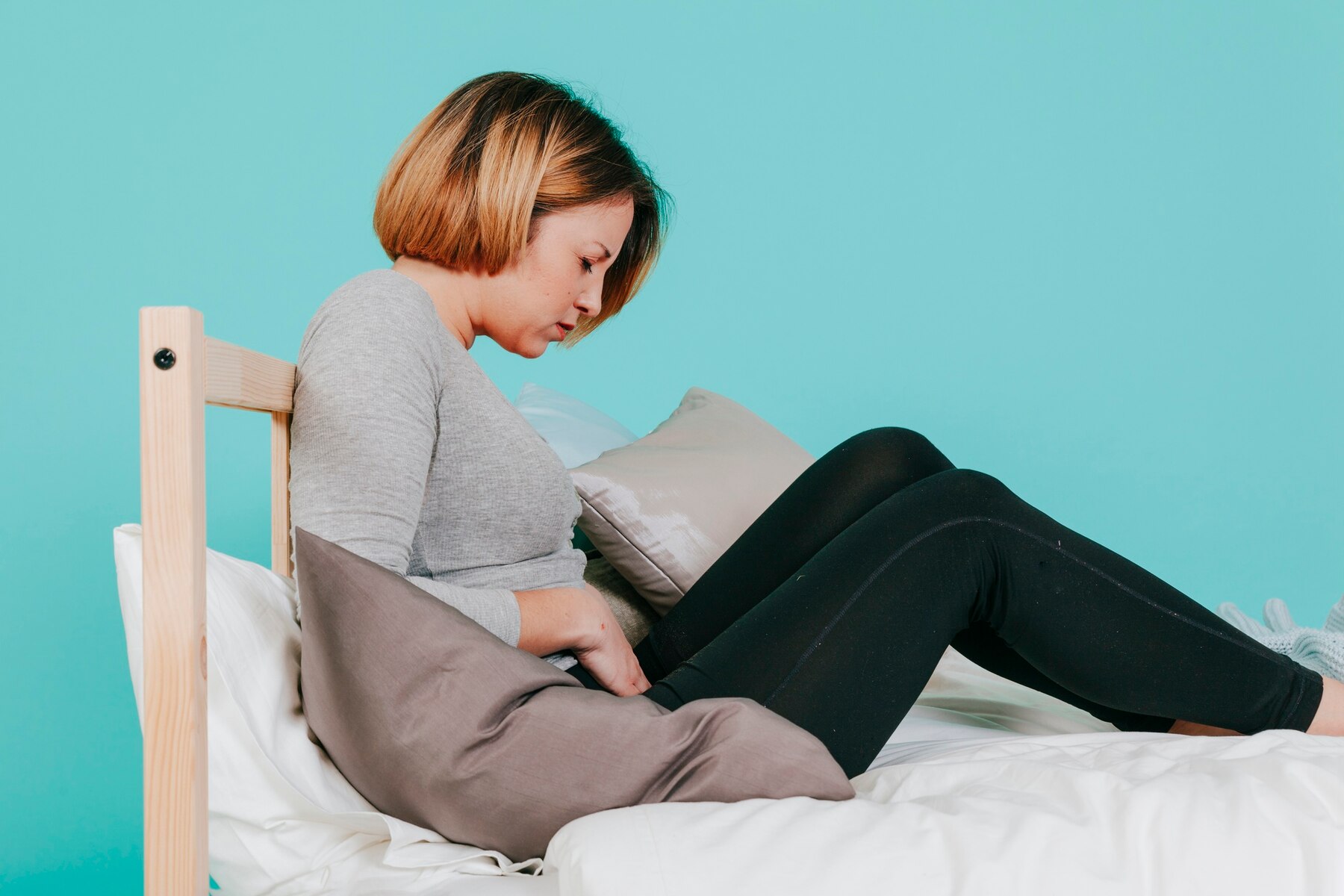
Endometriosis is a chronic condition where tissue similar to the lining of the uterus grows outside the uterus, causing pain and discomfort. Common symptoms include pelvic pain, heavy menstrual bleeding, pain during intercourse, and infertility. Recognizing these symptoms early can lead to a timely diagnosis and better management of the condition.
Diagnosis often requires a combination of pelvic exams, imaging tests such as ultrasounds, and sometimes laparoscopic surgery. Understanding the symptoms and the diagnostic process is crucial for those affected by endometriosis to seek appropriate medical help.
Holistic Approaches to Pain Management
Holistic approaches to managing endometriosis pain focus on treating the whole person rather than just the symptoms. Techniques such as acupuncture, yoga, and meditation have been reported to help alleviate pain and improve overall well-being. These methods promote relaxation and can help reduce stress, which is beneficial for managing chronic pain.
Incorporating mindfulness practices, like deep breathing exercises and guided imagery, can further enhance pain relief. By considering both physical and emotional health, holistic approaches provide a comprehensive way to deal with the challenges of endometriosis.
Diet and Nutrition: Foods That Help and Hurt
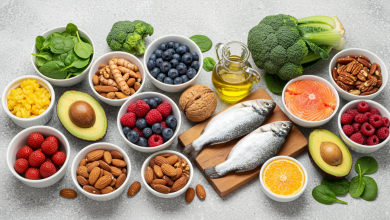
Nutrition plays a vital role in managing endometriosis symptoms. Certain foods, such as those rich in omega-3 fatty acids (like salmon and walnuts), fruits, and vegetables, may help reduce inflammation and alleviate pain. Additionally, a diet high in fiber can improve digestion and overall health.
Conversely, some foods may exacerbate symptoms. Processed foods, high sugar items, and excessive dairy can contribute to inflammation and worsen pain. Keeping a food diary to track symptoms can help identify personal triggers and lead to more informed dietary choices.
Emotional Well-being: Mental Health Strategies for Coping
Living with endometriosis can take a toll on mental health. It’s essential to address emotional well-being by incorporating strategies such as therapy, support groups, or journaling to express feelings and cope with the challenges of the condition. Cognitive-behavioral therapy (CBT) has shown promise in helping manage the emotional aspects of chronic pain.
Additionally, practicing self-care and engaging in activities that bring joy can enhance resilience and improve overall mental health. Building coping strategies not only helps manage pain but also fosters a more positive outlook on life.
Building a Support Network: Finding Community and Resources
Establishing a strong support network is crucial for anyone managing endometriosis. Connecting with friends, family, or support groups can provide emotional encouragement and practical advice. Online communities and local organizations can be excellent resources for information and shared experiences.
In addition to personal connections, seeking out healthcare professionals who understand endometriosis can make a significant difference. These resources can help foster a sense of belonging and empowerment, making it easier to navigate the challenges associated with the condition.