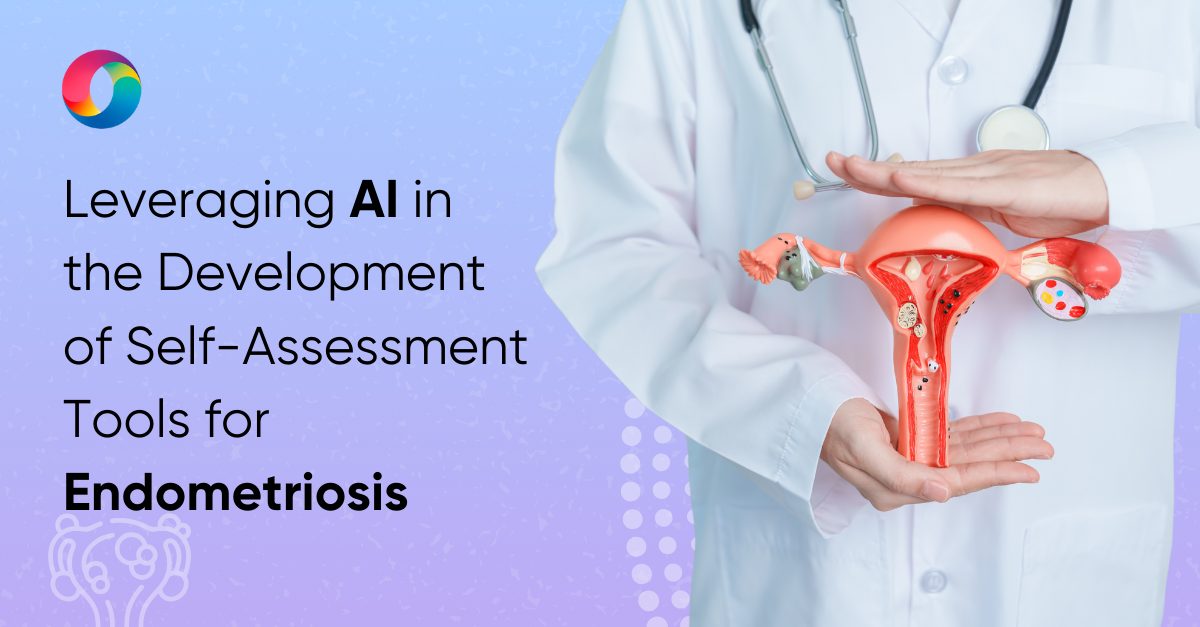
Leveraging AI in the Development of Self-Assessment Tools for Endometriosis
1. Introduction
Endometriosis is a chronic and often debilitating gynecological condition characterized by the presence of endometrial-like tissue outside the uterine cavity. This ectopic tissue behaves similarly to the endometrium, responding to hormonal changes and leading to a chronic inflammatory response. The condition is estimated to affect approximately 10% of women of reproductive age, translating to millions globally. Despite its high prevalence, the condition often goes undiagnosed or is significantly delayed in diagnosis, sometimes by as much as a decade.
Endometriosis is notorious for its heterogeneous presentation. Symptoms range widely, with some women experiencing severe pain and others being asymptomatic. The most common symptoms include dysmenorrhea (painful periods), pelvic pain, infertility, and dyspareunia (pain during intercourse). These symptoms, however, are not exclusive to endometriosis, often overlapping with other gynecological and gastrointestinal conditions, leading to misdiagnosis or delayed diagnosis.
The gold standard for diagnosing endometriosis is laparoscopy, a surgical procedure that allows direct visualization of the lesions. However, due to its invasive nature, many women are either hesitant to undergo the procedure or are not offered it until other conditions are ruled out. This diagnostic conundrum presents a significant healthcare challenge, often leading to inadequate management of the condition and a diminished quality of life for the affected individuals.
In recent years, Artificial Intelligence (AI) has emerged as a transformative force in various sectors, including healthcare. AI, particularly in the form of machine learning (ML) and deep learning, has the potential to revolutionize the way diseases are diagnosed and managed. In the context of endometriosis, AI presents a unique opportunity to address the diagnostic challenges through the development of non-invasive self-assessment tools. Such tools could analyze patient-provided data using sophisticated algorithms to identify patterns suggestive of endometriosis, thereby aiding in early detection and intervention.
This white paper seeks to explore the feasibility, potential impact, and challenges of integrating AI in the development of self-assessment tools for endometriosis. It is aimed at providing industry professionals with an in-depth understanding of the opportunities AI presents in transforming the diagnostic landscape for endometriosis and the implications for patient outcomes. The paper will delve into the technical aspects of AI application in medical diagnostics, the potential of self-assessment tools in early detection, and the overarching implications for healthcare delivery.
2. Understanding Endometriosis and Its Diagnostic Challenges
2.1 Overview of Endometriosis
Endometriosis is a prevalent yet complex condition, affecting an estimated 176 million women worldwide. Characterized by the growth of endometrial-like tissue outside the uterus, it presents a range of symptoms that severely impact the quality of life. These symptoms can include severe dysmenorrhea (painful menstruation), chronic pelvic pain, and infertility. The exact pathophysiology of endometriosis is still not fully understood, which presents significant challenges in its diagnosis and treatment. The condition is known for its heterogeneity, both in its presentation and in the severity of symptoms, making it a puzzling condition for healthcare providers.
2.2 Challenges in Endometriosis Diagnosis
Diagnosing endometriosis is notoriously challenging, and several factors contribute to this complexity:
- Symptom Overlap: One of the primary challenges is the overlap of symptoms with other pelvic conditions, such as irritable bowel syndrome, pelvic inflammatory disease, and ovarian cysts. This overlap often leads to misdiagnosis or the dismissal of symptoms as being related to less severe conditions.
- Lack of Non-Invasive Diagnostic Methods: Currently, the definitive diagnosis of endometriosis is made through laparoscopy, a surgical procedure that allows direct visualization of the lesions. This method, while effective, is invasive and not always readily accessible. Imaging techniques such as ultrasound and MRI can suggest the presence of endometriosis but are not definitive.
- Diagnostic Delays: The combination of symptom overlap and the lack of non-invasive diagnostic methods contributes to significant delays in diagnosis. On average, it can take 7-10 years from the onset of symptoms for a woman to receive an accurate diagnosis of endometriosis. This delay can lead to prolonged suffering and potential progression of the disease.
- Barriers to Access: Accessibility to diagnostic procedures like laparoscopy can be limited due to various factors, including cost, availability of specialized healthcare providers, and geographical limitations. Furthermore, many women may be hesitant to undergo invasive procedures, leading to further delays in seeking or receiving a diagnosis.
- Patient Comfort and Stigma: The invasive nature of the current diagnostic standard can be discomforting and stressful for patients. Additionally, societal stigma and lack of awareness about menstrual health can prevent women from seeking timely medical advice for their symptoms.
These challenges underscore the need for innovative approaches in the diagnosis of endometriosis. The development of non-invasive, accessible, and patient-friendly diagnostic tools is essential to reduce delays in diagnosis and improve patient outcomes. This is where the potential of AI-based self-assessment tools comes into the picture, offering a promising avenue to address these diagnostic challenges.
3. AI in Healthcare: A Paradigm Shift
3.1 The Emergence of AI in Medical Diagnostics
The landscape of healthcare has been significantly reshaped by the advent of artificial intelligence (AI), particularly through machine learning (ML) and deep learning. These technologies have permeated various facets of healthcare, revolutionizing not only diagnostic imaging but also paving the way for innovative predictive analytics. This paradigm shift heralds a new era in medical diagnostics, where AI-driven solutions are progressively becoming integral to patient care and treatment strategies.
3.2 Advantages of AI in Healthcare
AI’s integration into healthcare brings a multitude of benefits:
- Enhanced Diagnostic Accuracy: AI excels in processing and analyzing large datasets, allowing for the identification of intricate patterns and anomalies that might be missed by human clinicians. This capability significantly enhances diagnostic accuracy, particularly in complex conditions like endometriosis, where traditional diagnostic methods are often challenging.
- Personalized Treatment Plans: By leveraging patient data and predictive analytics, AI enables the creation of personalized treatment plans tailored to individual patient needs. This personalization can lead to more effective treatment outcomes and improved patient satisfaction.
- Predictive Analytics: AI’s predictive capabilities are instrumental in forecasting patient outcomes. This not only helps in early intervention but also in the efficient allocation of healthcare resources.
- Cost and Time Efficiency: AI can streamline various processes within healthcare, from administrative tasks to diagnostic procedures, potentially reducing costs and saving time both for healthcare providers and patients.
3.2.1 AI in Endometriosis Diagnosis:
Focusing on endometriosis, AI’s role is particularly noteworthy:
- Addressing Diagnostic Delays: As previously mentioned, the average delay in diagnosing endometriosis is 7-10 years. AI-driven diagnostic models, using biomarkers and genetic features, have the potential to significantly reduce this delay.
- Overcoming Diagnostic Challenges: The symptom overlap in endometriosis with other conditions makes diagnosis complex. AI’s ability to discern subtle differences in patient data can aid in more accurate differentiation and diagnosis.
- Evaluating Treatment Efficacy: AI can assist in monitoring treatment efficacy, providing insights into how patients respond to different treatment regimens, thereby guiding personalized care.
4. Future Outlook:
The integration of AI in healthcare, particularly in the realm of diagnostics, marks a transformative period. As technology continues to evolve, the potential for more sophisticated, accurate, and patient-centric medical care becomes increasingly attainable. In conditions like endometriosis, where diagnostic challenges have long been a hurdle, AI opens avenues for earlier intervention and improved patient outcomes. This paradigm shift not only redefines medical diagnostics but also promises a future where healthcare is more responsive, precise, and personalized.
4.4 Potential Benefits and Applications
- Early Screening and Diagnosis: AI self-assessment tools can empower individuals to seek medical attention earlier, potentially reducing diagnostic delays. By identifying symptom patterns indicative of endometriosis, these tools can serve as an initial screening mechanism.
- Patient Education and Engagement: Such tools can educate patients about their symptoms, fostering a better understanding of endometriosis. This knowledge empowers patients to actively participate in their healthcare journey.
- Bridging Healthcare Access Gaps: For individuals in remote or underserved areas, AI-driven self-assessment provides a valuable resource. It can bridge gaps in healthcare access, offering initial guidance when in-person consultations are not feasible.
- Longitudinal Monitoring: Patients can use these tools for ongoing symptom tracking, offering valuable insights into the condition’s progression or response to treatment over time.
4.5 Challenges and Limitations
- Variability in Symptom Presentation: Endometriosis symptoms can vary widely among individuals. AI tools must be sophisticated enough to account for this variability to avoid misinterpretation or overgeneralization.
- Over-reliance and Misinterpretation: There’s a risk of over-reliance on self-assessment tools, potentially leading to delayed professional medical advice. Clear communication about the tool’s role as a supplementary aid, not a diagnostic replacement, is crucial.
- Algorithmic Bias: If training data lacks diversity, AI tools may exhibit bias, leading to inaccurate assessments for certain populations. Ensuring representative data is vital for equitable outcomes.
- Regulatory and Clinical Validation: Self-assessment tools must undergo rigorous validation and regulatory scrutiny to ensure their reliability and clinical utility.
4.6 Future Prospects
The potential of AI in developing self-assessment tools for endometriosis is significant. As technology advances and datasets become more robust and diverse, these tools could play an integral role in the early detection and management of endometriosis. However, their development and implementation should be approached with a focus on accuracy, inclusivity, and ethical considerations, ensuring they serve as beneficial adjuncts to professional medical care.
6. Case Studies and Current Initiatives
- Overview: The research by Anat Goldstein and Shani Cohen, published in Scientific Reports (2023), aimed to develop a self-diagnostic tool for endometriosis based solely on self-reported symptoms. This approach was distinct as it focused on early-stage symptom onset rather than data from women already near the end of the diagnostic process.
- Methodology: Machine learning was applied to train prediction models using questionnaire data from two groups: women diagnosed with endometriosis and those not diagnosed.
- Results: The most effective model demonstrated an impressive Area Under the Curve (AUC) of 0.94, with a sensitivity of 0.93 and specificity of 0.95.
- Application: The intended use of this model is incorporation into a website as a self-diagnostic tool. This approach is expected to significantly shorten the time-to-diagnosis by directing women with a high likelihood of endometriosis towards further examination.
- Symptom Analysis: The study also highlighted the importance and effectiveness of various symptoms in predicting endometriosis, providing valuable insights for future tool development.
7. Conclusion
The intersection of artificial intelligence and healthcare, particularly in the realm of endometriosis diagnosis, presents a frontier of immense potential. The use of AI-driven self-assessment tools can transform the diagnostic journey for millions of women suffering from endometriosis. Studies such as that by Goldstein & Cohen (2023) underscore the feasibility and effectiveness of these tools in identifying the condition based solely on symptomatology, offering hope for reduced diagnostic delays. The initiatives by digital health companies, though in early stages, further highlight the growing momentum in this area. However, challenges in accuracy, algorithmic bias, and user engagement must be addressed to realize the full potential of these tools.