Managing PCOS-Related Hirsutism: Understanding and Treatment
Hirsutism, characterized by excessive and coarse hair growth in areas typically exhibiting fine hair in women and people assigned female at birth (AFAB), is a common condition often linked to Polycystic Ovary Syndrome (PCOS).
Hirsutism causes abnormal hair growth, such as dark, coarse hair on the upper lip, chin, chest, abdomen, or back, replacing the usual fine “peach fuzz.”
While not directly affecting physical health, hirsutism can significantly influence psychological and social well-being, leading to emotional stress, anxiety, and depression.
Prevalence and Symptoms
Affecting 5% to 10% of women and AFAB individuals of child-bearing age, hirsutism is a widespread concern.
The primary symptom is the growth of dark, coarse hair in typically fine-haired areas. Virilization, or the development of male secondary sex characteristics, can occur in severe cases due to high androgen levels.
Causes of Hirsutism
Androgen Production: High levels of androgens or increased sensitivity of hair follicles to these hormones can lead to hirsutism. PCOS is a common hormonal condition causing excess androgen production, and responsible for 70% to 80% of hirsutism cases.
Other Causes: Postmenopause, Cushing’s syndrome, and certain medications like anabolic steroids or minoxidil can also cause hirsutism.
Treatment Options for Hirsutism
Weight Loss: Reducing body weight can lower androgen levels, thus decreasing hair growth.
Medications:
- Birth control pills regulate menstrual cycles and lower androgen levels.
- Anti-androgens like spironolactone, finasteride, and flutamide can treat mild cases.
- Insulin-lowering medications, such as metformin, may also be used.
- Eflornithine skin cream can slow down hair growth.
Hair Removal Options:
- Electrolysis and laser hair removal are long-term solutions, but ongoing treatment may be needed for PCOS-related hirsutism.
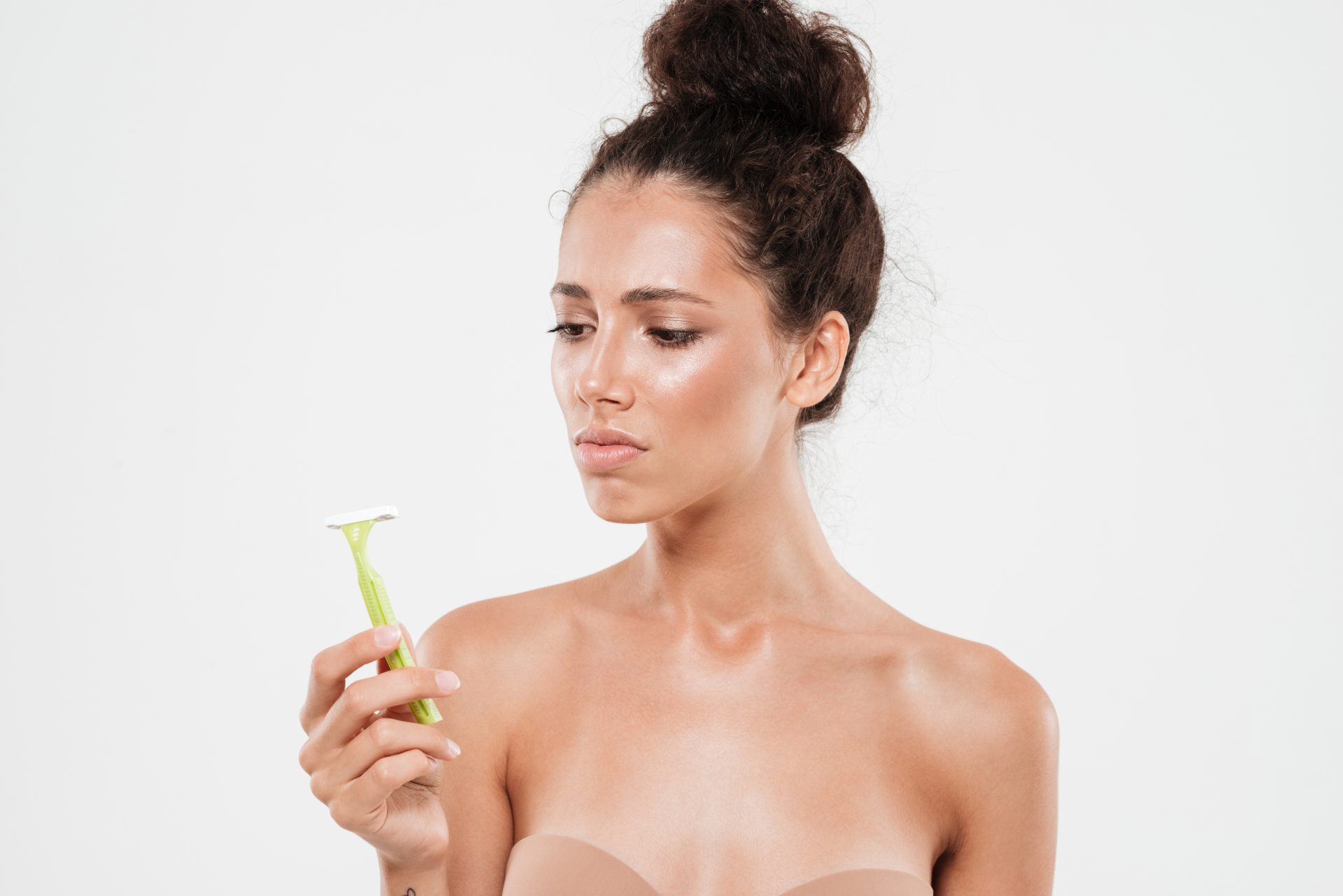
- Shaving, bleaching, waxing, and plucking offer temporary relief.
Alternative Remedies:
- Diet and exercise, especially a low-calorie, low-carb diet, can improve insulin sensitivity and reduce hirsutism.
- Acupuncture and essential oils may provide relief, though more research is needed to confirm their effectiveness.
Preventing Hirsutism
Managing underlying conditions like PCOS through lifestyle changes and medical treatments can reduce the risk of developing hirsutism.
Living with Hirsutism
Regular consultations with healthcare providers are essential for managing hirsutism, especially if it causes stress, anxiety, or depression.
Hirsutism, often associated with PCOS, requires ongoing management through a combination of lifestyle changes, medication, and hair removal techniques. Understanding its causes, symptoms, and available treatment options is key to improving the quality of life and mental well-being of those affected.