Menstrual Bleeding (Menorrhagia): Conquer Heavy Periods – Learn the Causes & Treatment!

Around 1 in 5 women experience heavy menstrual bleeding, but if it disrupts your daily life, it’s important to understand what might be causing it.
If you’re experiencing heavy menstrual bleeding, also known as menorrhagia, you might be wondering: “Is heavy bleeding during period normal, or should I be concerned?”. It’s completely understandable to feel this way, especially if you’re struggling with bleeding that seems excessive or lasts longer than usual.
Table of Contents
What Is Menorrhagia ?
Menorrhagia is a condition where menstrual bleeding is abnormally heavy or prolonged, and while it can be common, it can also be a sign of an underlying issue.
In this article, we’ll cover:
- What menorrhagia is
- The common causes and symptoms
- How to manage and treat it effectively
Ready to learn more about the symptoms and causes of menstrual bleeding? Let’s dive in!
Signs of Menstrual Bleeding: How to Recognize Menorrhagia?
If you’re experiencing heavy menstrual bleeding, it’s important to know what the signs of menorrhagia are. Here are some common symptoms to watch for:
- Excessive menstrual bleeding (more than 80 mL) as much as you need to change your pad or tampon every one hour or need to wear several pads simultaneously to prevent blood leaking.
- Menstrual periods lasting longer than 7 days
- Blood clots as big as or larger than a quarter
- Waking up at night for changing pads or tampons
- Severe period cramps or abdominal pain
- Fatigue or weakness due to blood loss
- Anemia, which may result from prolonged bleeding
These symptoms can often indicate that your menstrual bleeding is not within the normal range.
If you’re experiencing blood clots during your period, check out our article on What Are Blood Clots During Periods?
For more details on symptoms, visit our guide on Signs of Menorrhagia.
Use the Ovulation Calculator for more precise cycle tracking and planning.
How Do You Know You Have Menorrhagia?

Understanding the difference between a normal menstrual cycle and menorrhagia is key. Here’s a quick comparison:
Normal Menstruation Signs:
- Range between 3-7 days, with moderate to light flow.
During a normal menstruation, you should be able to:
- Use one regular pad or tampon for about three to four hours without needing a change.
- Rely on a single menstrual product at a time; no need to double up with two pads or tampons.
- Sleep through the night with just one overnight pad.
- Leave your home without feeling like you need to carry extra pads or clothing for emergencies.
- Go about your daily life without having to skip work, avoid outings, or miss the activities you enjoy.
If your period is making it hard to meet these expectations, it might be a sign of menorrhagia. But don’t worry! Understanding the cause of menorrhagia is the first step toward effective treatment.
Severe Period Pain: Dysmenorrhea Symptoms and Causes + 7 Effective Ways to Ease the Pain
Endometriosis: Symptoms, Causes, Treatment, and Prevention
If any of these symptoms sound familiar, it’s important to talk to a healthcare provider. Remember, knowing the cause of your menorrhagia will help you find the right treatment.
For more details on symptoms, visit our guide on Signs of Menorrhagia.
If you’re experiencing blood clots during your period, check out our article on What Are Blood Clots During Periods?
How Menorrhagia Impact on Daily Life?
Menorrhagia, or heavy menstrual bleeding, can be more than just a physical concern. It can affect many aspects of your daily life. If you’re finding it hard to keep up with work, school, or social plans because you need to frequently change pads or tampons, you’re not alone.
The worry about leaks or unexpected bleeding can be stressful, making some people feel like they need to stay home or avoid their usual activities. Beyond the inconvenience, heavy bleeding can leave you feeling drained and fatigued, and in some cases, it may lead to anemia, which can make things even harder.
But don’t worry! The good news: you don’t have to live like this. Seeking medical advice is the first step toward finding ways to manage the symptoms, so you can feel better and get back to living life on your terms.
Next, let’s explore the causes of menorrhagia to help you better understand what might be going on.
What Causes Menorrhagia?

Menorrhagia, or heavy menstrual bleeding, can be caused by a variety of factors. Understanding the root cause is important for finding the right treatment. Here’s a breakdown of the most common causes, along with statistics to give you a clearer picture:
Hormonal Imbalance
Hormonal imbalances, especially involving estrogen and progesterone, are a leading cause of menorrhagia. When these hormones are out of balance, the uterine lining can become too thick, resulting in prolonged and heavy periods. Different conditions can lead to hormonal imbalance including anovulation, thyroid disorders, and polycystic ovarian syndrome (PCOS).
- How It Affects You: This imbalance can lead to longer cycles and heavier bleeding than what is considered normal.
Uterine Fibroids
Fibroids are non-cancerous growths in the uterus that can cause a range of symptoms, including heavy bleeding. They are one of the most common causes of menorrhagia.
- Statistics: Studies indicate that 75% of women of reproductive age have fibroids, and up to 30% of women with fibroids experience heavy bleeding.1
- What You Need to Know: Fibroids can vary in size and number, and their location and size in the uterus impacts how severe the bleeding is.
Other symptoms related to fibroids:
- Pelvic pressure or pain
- Frequent urination or trouble urinating.
- Constipation
- Lower back pain
- Pain during sex
Read more about how they impact menstrual health in our article on How Surgery Can Help Menorrhagia.
Endometriosis
Endometriosis occurs when tissue like the uterine lining grows outside the uterus and can be accompanied by menorrhagia.
- Statistics: 10% of women (190 million women) of reproductive age are affected by endometriosis, and many experience heavy menstrual bleeding as one of the primary symptoms.8
- How It Affects You: Structural changes from endometriosis and chemical imbalances can lead to menorrhagia.
Other symptoms related to endometriosis:
- Painful periods
- Abdominal pain or back pain during your period or in between periods
- Chronic pelvic pain
- Spotting between periods
- Painful intercourse
- Fertility problems
- Diarrhea, constipation, or bloating
Endometriosis can worsen menorrhagia, making periods not only longer but also more painful. If you’re struggling with heavy menstrual bleeding and other symptoms like severe pelvic pain, it’s important to get evaluated. Click here for an Endometriosis Assessment.
Want More Information on Endometriosis? Endometriosis: Symptoms, Causes, Treatment, and Prevention
Uterine Polyps
Uterine polyps are growths attached to the inner wall of the uterus, which can cause heavy menstrual bleeding. Polyps are often discovered during routine exams like ultrasounds.
- Statistics: About 7.8% to 34.9% of women may have uterine polyps, and these can often cause abnormal bleeding patterns.2
- How It Affects You: Polyps can be small but may cause heavy bleeding during or between periods.
Other symptoms related to polyps:
- Bleeding between periods.
- Unpredictable periods whose lengths and heaviness vary
- Fertility problems
Thyroid Disorders
Thyroid conditions, such as hypothyroidism or hyperthyroidism, can cause irregular menstrual cycles and lead to menorrhagia.
- Statistics: Up to 26% of women suffer from thyroid disorders. Abnormal uterine bleeding is one of its representations including menorrhagia which affect 10-20% of women between 15-50 years of age.3
- How It Affects You: An underactive thyroid (hypothyroidism) can cause heavier, longer periods, while an overactive thyroid (hyperthyroidism) may cause lighter or more frequent periods.
Bleeding Disorders
Bleeding disorders, like von Willebrand disease or platelet dysfunction, can result in prolonged bleeding during menstruation.
- Statistics: 15% to 30% of those with heavy menstrual bleeding have an underlying inherited bleeding disorder.4
- How It Affects You: Women with bleeding disorders may find that their periods last longer and involve more bleeding than normal.
Medications
Certain medications, like blood thinners, anticoagulants, or even birth control pills can increase menstrual bleeding. If you’re taking medications to manage blood clots or other conditions, heavy bleeding may be a side effect.
- What You Need to Know: If you are on blood-thinning medications, talk to your doctor about possible alternatives or adjustments.
Pelvic Inflammatory Disease (PID)
PID is an infection of the female reproductive organs, and while it is more commonly linked to pain and infertility, it can also lead to menorrhagia.
- Statistics: 20% of women with PID experience menorrhagia.5
- How It Affects You: PID can cause inflammation in the uterus, leading to irregular bleeding patterns and increased menstrual flow.
Other symptoms related to PID:
- Lower abdomen and pelvic pain
- Unusual vaginal discharge
- Unpleasant vaginal odor
- Vaginal bleeding during or after sex, or between periods
- Painful intercourse
- Fever
- Painful, frequent or difficult urination
Adenomyosis
Adenomyosis is a condition where the inner lining of the uterus breaks through the muscle wall. This can cause very heavy, painful periods, often with large blood clots.
- Statistics: Around 1% to 70% of women across different studies experience adenomyosis, and it often results in menorrhagia.6
- How It Affects You: Women with adenomyosis often have periods that last longer and involve more blood loss, sometimes making it difficult to manage daily activities.
Other symptoms related to adenomyosis:
- Severe cramp or sharp, knifelike pelvic pain during periods
- Chronic pelvic pain
- Painful intercourse
Use of Intrauterine Devices (IUDs)
While IUDs are a popular form of contraception, they can sometimes cause heavier periods, particularly during the first few months of use.
How It Affects You: This side effect is usually temporary, but some women may find it difficult to manage.
What Should You Do Next?
If any of these causes sound familiar, don’t panic. The good news is that there are effective treatments available for menorrhagia, and understanding the underlying cause is the first step. March can help you manage your symptoms through personalized recommendations and test kits tailored to your needs. Get your personalized assessment now to find the best solution for your health:
How Common Is Menorrhagia?
Around 1 in 20 women aged 30–49 consult their health care provider annually for concerns about heavy periods or menstrual issues. In adolescents, menorrhagia is even more prevalent, affecting up to 37%. These statistics highlight how common heavy menstrual bleeding is across different age groups, emphasizing the importance of recognizing and addressing this condition.7
Despite how common it is, many women suffer in silence, not knowing that help is available. The key to managing menorrhagia is understanding its causes and finding the right treatment.
If you think you might be experiencing menorrhagia, don’t wait to seek support. March offers personalized recommendations and test kits that can help you identify the cause of your symptoms and start the right treatment plan tailored just for you.
Risk Factors for Menorrhagia:
Certain factors can increase the likelihood of experiencing menorrhagia. While anyone can develop heavy menstrual bleeding, being aware of these risk factors can help you identify if you might be more prone to the condition.
- Age: Menorrhagia is more common in women in their 30s and 40s. As women approach perimenopause, hormonal changes can contribute to heavier periods.
- Family History: If your mother or sister had menorrhagia, you may be at higher risk, suggesting a potential genetic link.
- Obesity: Excess body weight can affect hormone levels, increasing the likelihood of menorrhagia. Women with obesity may also be at higher risk for conditions like polycystic ovary syndrome (PCOS), which can cause heavy periods.
- Previous Pregnancy Complications: Women who have had complications in previous pregnancies, such as miscarriages or C-sections, may have an increased risk of heavy bleeding.
- Underlying Medical Conditions: Conditions like thyroid disorders, blood clotting disorders, and pelvic inflammatory disease (PID) can affect menstrual health, increasing the chances of menorrhagia.
Being aware of these risk factors can help you seek early treatment and prevent further complications. If you have any of these risk factors, it’s important to speak with a healthcare provider about your symptoms.
Get the Help You Need for Period Pain at March Health
If you’re experiencing severe menstrual bleeding, March Health can help. Our team provides personalized care plans designed to effectively manage and treat Menorrhagia:. Reach out to us today to learn more about how we can support your health and enhance your quality of life.
Related Symptoms and Causes
- Menorrhagia often comes with several related symptoms that provide insight into its underlying causes. Recognizing these can help you understand whether your heavy menstrual bleeding is linked to menorrhagia or another condition. Here are some common related symptoms:
- Blood Clots: Large blood clots during menstruation are frequently seen in women with menorrhagia. These clots are typically a result of the uterine lining shedding in excess. Discover more about blood clots and their role in menstrual bleeding.
- Anemia: Heavy menstrual bleeding can lead to anemia, where the body doesn’t have enough red blood cells to carry oxygen. This condition is a common complication of menorrhagia and can cause fatigue, dizziness, and shortness of breath. If you’re experiencing these symptoms, anemia could be linked to menorrhagia. Learn more about this connection in our article about Diagnosis of Menorrhagia.
- Pelvic Pain: Pelvic discomfort or pain often accompanies menorrhagia, especially if the cause is related to fibroids, endometriosis, or adenomyosis. Women with fibroids or endometriosis may experience painful periods alongside heavy bleeding, which is common in menorrhagia. Find out more about pelvic pain and its connection to heavy periods in our related article.
- Irregular Periods: Menorrhagia can also cause irregular menstrual cycles, including longer or missed periods. Hormonal imbalances, PCOS, or thyroid disorders are often at the root of these irregularities. If your periods are not only heavy but also unpredictable, this could be a sign of menorrhagia. Learn about irregular periods and how they are linked to menorrhagia.
Testing and Diagnosis of Menorrhagia
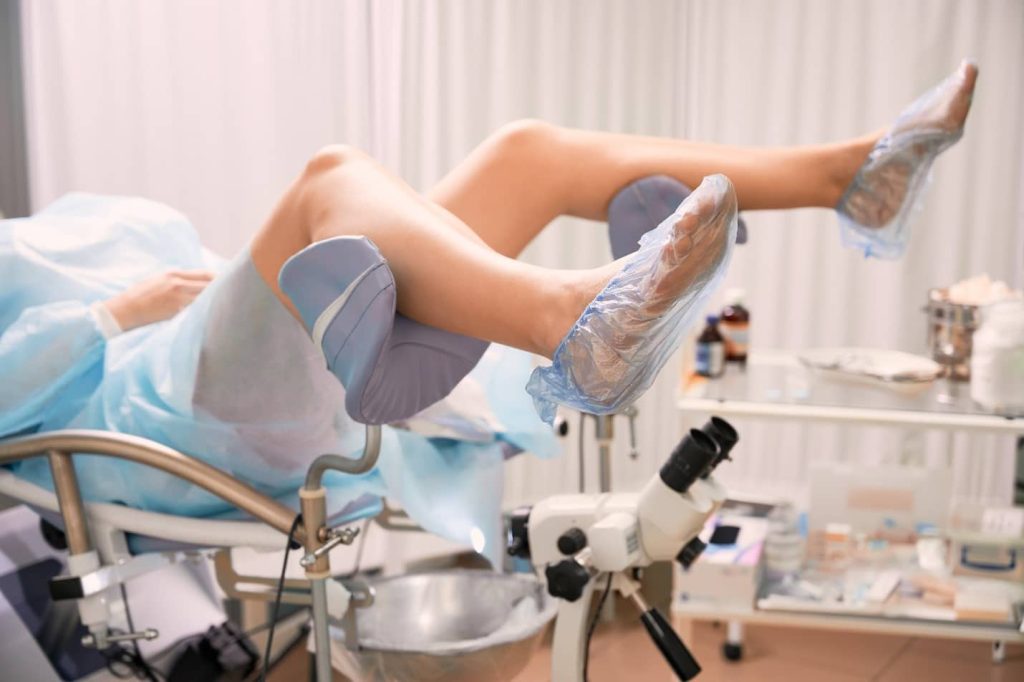
Diagnosing menorrhagia typically involves a series of tests to determine the underlying cause of heavy bleeding. Your healthcare provider will use these tests to gather information about your menstrual cycle and check for conditions that may be contributing to menorrhagia.
1. Blood Tests
Blood tests are essential for detecting conditions like anemia, which is a common complication of menorrhagia. These tests can also identify clotting disorders, such as von Willebrand disease, which could be contributing to heavy bleeding. Blood work helps assess your overall health and pinpoint any underlying issues that could affect your menstrual bleeding.
- What It Does: Checks for low iron levels (anemia) and abnormal blood clotting factors.
2. Ultrasound
An ultrasound is often used to look for structural causes of menorrhagia, such as fibroids, polyps, or adenomyosis. It helps identify abnormalities in the uterus that could be contributing to heavy periods. An ultrasound is a non-invasive test that uses sound waves to create images of the organs.
- What It Does: Detects fibroids, polyps, or abnormalities in the uterus.
3. Hysteroscopy
A thin, lighted instrument is inserted through your vagina into your uterus which allows your health care provider to see the inside of your uterus helping to identify and treat underlying causes of heavy menstrual bleeding.
- What It Does: Help diagnose and treat the underlying causes of heavy menstrual bleeding by allowing direct visualization and intervention within the uterine cavity, such as the removal of fibroids or polyps.
4. Sonohysterography
It involves injecting sterile saline into the uterus to enhance imaging of the uterine cavity, allowing for the evaluation of abnormalities such as polyps, fibroids, and other structural issues that may cause symptoms like heavy period bleeding.
- What It Does: It helps evaluate uterine abnormalities such as polyps and fibroids that may cause symptoms like menorrhagia.
5. Endometrial Biopsy
In some cases, if there’s concern about abnormal tissue growth, your healthcare provider may recommend an endometrial biopsy. This procedure involves taking a small sample of tissue from the uterine lining to test for conditions like endometrial cancer or abnormal tissue growth.
- What It Does: Rules out cancer or abnormal tissue growth.
If you’re experiencing heavy menstrual bleeding and are unsure of the cause, March offers personalized test kits and health coaching to help you understand your symptoms and get a tailored treatment plan. Our expert health coaches can guide you through the process, ensuring you get the right care for your unique situation. Start your personalized assessment today to take the first step toward managing your menorrhagia.
If you’re experiencing symptoms of endometriosis, consider using our Self-Assessment Tool for Endometriosis to get personalized insights and take the first step toward understanding your health better.
Treatment Options for Menorrhagia
When it comes to treating menorrhagia, several options are available depending on the underlying cause and severity of the condition. Your healthcare provider will help determine the best treatment plan for you based on your individual needs.

Medical Treatments for Menorrhagia
- Nonsteroidal Anti-Inflammatory Drugs (NSAIDs): Medications like ibuprofen (Advil, Motrin) or naproxen sodium (Aleve) can reduce heavy bleeding during your period and help with menstrual cramps.
- Tranexamic Acid: This is a medication specifically for heavy menstrual bleeding. You only need to take it during your period to help reduce blood loss.
- Hormone Therapy: Hormone therapy can be useful for heavy periods during perimenopause. However, it’s important to carefully weigh the benefits against potential risks, such as an increased chance of heart attack, stroke, or certain cancers.
- Oral Contraceptives: Birth control pills don’t just prevent pregnancy; they can also help regulate your cycle and make heavy periods shorter and lighter.
- Oral Progesterone: This hormone therapy can correct hormone imbalances and reduce heavy menstrual bleeding. There’s also a synthetic version called progestin that works in a similar way.
- Hormonal IUD: Devices like Mirena or Liletta release a type of progestin called levonorgestrel. This helps thin the lining of the uterus, reducing both period bleeding and cramps.
- Gonadotropin-Releasing Hormone (GnRH) Agonists: These medications temporarily stop your menstrual cycle and shrink fibroids. However, their effects are short-term and usually last less than six months. Once the medication is stopped, fibroids often return to their original size.
- Special Treatments for Bleeding Disorders: If a bleeding disorder is contributing to heavy periods, specialized medications may be prescribed to improve blood clotting.
Procedural Treatments for Menorrhagia:
- Dilation and Curettage (D&C): A D&C is a procedure where we gently open the cervix (the lower part of your uterus) and remove tissue from the uterine lining. This is often done to find out what’s causing the bleeding, which could be due to issues like polyps, fibroids, or, in rare cases, uterine cancer. Sometimes, after a miscarriage, a D&C is used to ensure the uterus is completely cleared. Often, we pair it with a tool called a hysteroscope, which helps us see inside the uterus to pinpoint the exact cause of bleeding.
- Uterine Artery Embolization: If fibroids are the reason for heavy menstrual bleeding, this procedure might be suggested. It works by cutting off the blood supply to the fibroids, causing them to shrink. A tiny tube, called a catheter, is placed in a blood vessel in your thigh and guided to the uterus. Then, small beads or sponges are used to block the blood flow to the fibroids.
- Focused Ultrasound: This is a non-invasive option that targets fibroids with ultrasound waves and radiofrequency energy. There’s no need for any incisions, and it helps shrink the fibroids over time.
- Myomectomy: This is the surgical removal of fibroids. Depending on their size and location, the surgery can be done in different ways. Sometimes, we use small incisions in the abdomen (laparoscopic surgery), and other times, we insert instruments through the vagina and cervix to remove fibroids directly from inside the uterus (hysteroscopic surgery).
- Endometrial Ablation: This is a way to reduce or stop heavy bleeding by destroying the lining of the uterus. It can be done using heat, radio waves, or even a laser. While it often results in lighter periods or no periods at all, it’s important to note that pregnancy after this procedure is not recommended because it could be dangerous. Reliable contraception is strongly advised.
- Endometrial Resection: This is like ablation but involves removing the uterine lining with a special wire loop. Like ablation, pregnancy isn’t recommended afterward.
- Hysterectomy: In this surgery, the uterus and sometimes the cervix is removed. This means no more periods and no chance of pregnancy. Depending on your situation, we might also remove the ovaries, which can lead to early menopause. Recovery usually involves a short hospital stay.
If you’re struggling with heavy periods and are unsure which treatment is right for you, don’t worry—there are many options available. March offers personalized recommendations and expert health coaching to help you explore the best treatment for your unique situation. Take our Menorrhagia Assessment today to get started.
Conclusion: Understanding Menorrhagia – Key Takeaways & Next Steps
Menorrhagia, or heavy menstrual bleeding, can have a significant impact on your life, but understanding its causes and treatment options is the first step towards managing it. Whether it’s due to hormonal imbalances, fibroids, or other underlying conditions, there are effective solutions available to help you regain control.
Key Takeaways:
- Menorrhagia affects many women, but it’s important to understand the underlying cause.
- Treatment options range from hormonal therapies to more invasive procedures like hysterectomy.
- Early intervention can help prevent complications like anemia and pelvic pain.
How March Health Can Help with your menstrual bleeding?
If you’re struggling with heavy menstrual bleeding, don’t wait to seek support. March offers personalized recommendations and test kits to help identify the cause of your symptoms. Our health coaches are here to guide you toward the right treatment.
Need personalized advice? Chat with one of our doctors for a live consultation or email us for more information. Contact Us.
-
What is menorrhagia and how do I know if I have it?
Menorrhagia refers to heavy menstrual bleeding that lasts longer than usual, often with large blood clots. If you experience periods that last more than 7 days or exceed 80 mL of blood, you may be dealing with menorrhagia.
-
What are the common causes of menorrhagia?
Common causes of menorrhagia include hormonal imbalances, fibroids, endometriosis, and polyps. These conditions affect the uterus and can lead to heavy bleeding during your menstrual cycle.
-
How can I treat menorrhagia?
Treatment for menorrhagia ranges from hormonal therapies, like birth control pills, to surgical options like a hysterectomy. Your healthcare provider will recommend the best treatment based on your symptoms and underlying causes.
-
Can menorrhagia cause anemia?
Yes, menorrhagia can lead to anemia due to excessive blood loss over time. This can result in fatigue, weakness, and dizziness, which may need to be addressed with blood tests and iron supplements.
-
How common is menorrhagia?
About 1 in 20 women experience menorrhagia at some point in their lives. It’s particularly common in women over 30, especially those with fibroids or hormonal imbalances.
-
When should I see a doctor about heavy menstrual bleeding?
If your periods are lasting longer than 7 days or your bleeding is heavy enough to cause discomfort or interfere with daily life, it’s important to seek medical advice. A doctor can help diagnose the underlying cause of menorrhagia and recommend treatment.
-
Can menorrhagia affect my fertility?
Yes, depending on the underlying cause, menorrhagia can impact fertility, especially if caused by conditions like endometriosis or fibroids. However, many treatments can help manage symptoms without affecting your ability to conceive.
-
What is the difference between normal and abnormal menstrual bleeding?
Normal bleeding lasts 3-7 days with moderate flow, while menorrhagia involves bleeding that lasts longer than 7 days or includes very heavy flow. If you experience these symptoms, it’s a sign to consult a healthcare professional.
Reference
- Uimari, O., Subramaniam, K. S., Vollenhoven, B., & Tapmeier, T. T. (2022). Uterine fibroids (Leiomyomata) and heavy menstrual bleeding. Frontiers in Reproductive Health, 4, 818243.
- Weigel, G. M., Baison, G. N., Mihalov, L., & Mupombwa, T. (2024). Prevalence of and risk factors for endometrial polyps among asymptomatic postmenopausal women with uterovaginal prolapse. American Journal of Obstetrics and Gynecology.
- HS, A. K., & Saravanan, S. (2017). A study of prevalence of thyroid disorders in patients with abnormal uterine bleeding. International Journal of Reproduction, Contraception, Obstetrics and Gynecology, 6(3), 1037.
- James, P. D. (2020). Women and bleeding disorders: diagnostic challenges. Hematology 2014, the American Society of Hematology Education Program Book, 2020(1), 547-552.
- Khan, N., Rahman, F., Jahan, N., Khatun, R., & Saha, N. (2018). Clinical Profiles of Pelvic Inflammatory Disease Patients: Experience of 150 Cases at a Tertiary Care Hospital in Dhaka City. Journal of National Institute of Neurosciences Bangladesh, 4(2), 129-132.
- Martire, F. G., d’Abate, C., Schettini, G., Cimino, G., Ginetti, A., Colombi, I., Cannoni, A., Centini, G., Zupi, E., & Lazzeri, L. (2024). Adenomyosis and Adolescence: A Challenging Diagnosis and Complex Management. Diagnostics, 14(21), 2344. https://doi.org/10.3390/diagnostics14212344
- National Institute for Health and Care Excellence. (2021). Menorrhagia (heavy menstrual bleeding): Background information – Prevalence. Retrieved from https://cks.nice.org.uk/topics/menorrhagia-heavy-menstrual-bleeding/background-information/prevalence/
- World Health Organization. (n.d.). Endometriosis. Retrieved December 4, 2024, from https://www.who.int/news-room/fact-sheets/detail/endometriosis
Was this article helpful?
- March Health Joins Mayo Clinic Platform_Accelerate to Advance the Future of Women’s Health
- Meditation Techniques For Pain Relief: A Comprehensive Guide
- The Ultimate Guide to Pain-Friendly Workouts: Low-Impact Exercises, Gentle Fitness & Movement Therapies for Chronic Pain
- How Diet Can Influence Endometriosis: Understanding the Best and Worst Foods for Managing Symptoms Naturally
- Living with Endometriosis: Tips for Managing Pain and Improving Quality of Life