Endometriosis Factors Affecting IVF Success Rates
Introduction
Endometriosis is a chronic condition characterized by tissue growth similar to the uterine lining in locations outside the uterus. This estrogen-influenced disorder causes ongoing inflammation and impacts roughly 10% of women during their reproductive years affecting between 20% and 50% of infertile women (1).
Despite the clinical, economic, and quality-of-life importance of endometriosis, several studies have reported the life-course effect of endometriosis, including its impact on educational attainment, social and marital life, fertility, and poverty in the U.S. (2).
Endometriosis often leads to reduced fertility in women, necessitating the use of assisted reproductive technologies (ART) to enhance pregnancy chances. In vitro fertilization (IVF) is a crucial method for achieving pregnancy, particularly for women who haven’t responded to surgical interventions (1).
The precise causes of infertility associated with endometriosis remain elusive, but several theories attempt to explain the reduced fertility observed in affected individuals. These include anatomical distortions of the reproductive organs, inflammatory responses, oxidative stress, and compromised oocyte quality. Gaining a deeper understanding of how endometriosis impacts fertility is crucial for enhancing treatment outcomes. Consequently, developing effective strategies to manage endometriosis-related infertility and improve the success rates of ART has become a significant focus in reproductive medicine (3).
Endometriosis Factors Affecting IVF Outcomes
Endometriosis can affect IVF outcomes through different factors including:
- Severity/stage of the disease
- Type of the endometriosis
- Endometrioma
- Deep infiltrative endometriosis
- History of previous ovarian surgery
- Ovarian reserve
The success rate of IVF cycles is measured by a variety of primary and secondary outcomes including:
- Cumulative live birth rate (CLBR)
- Anti-Müllerian hormone (AMH)
- Antral follicle count (AFC)
- Metaphase II oocytes (MII oocytes)
- Number of oocytes retrieved
- Fertilization rate
- Clinical pregnancy rate (CPR)
- Number of embryos
- Number of mature oocytes
In the following, the factors of endometriosis affecting IVF short and long-term outcomes and related statistics are discussed.
Endometriosis Staging:
The American Society for Reproductive Medicine (ASRM) categorizes endometriosis into four stages: I, II, III, and IV, with advanced stages like endometrioma cases potentially causing complications. Endometriosis contributes to infertility, with inflammation and reactive oxygen species believed to be significant contributors. Research shows patients may have endocrine and ovulatory disorders, including impaired folliculogenesis, compromised immune homeostasis, premature luteinizing hormone surges, and luteal phase defects (4).
A total of 819 women who had undergone IVF or intracytoplasmic sperm injection (ICSI) treatment from 2016 to 2017 were included in a retrospective study. In patients with advanced endometriosis, the cumulative clinical pregnancy rate was 56.9% compared to 75.3% in the control group. The study also highlighted that fewer mature oocytes and viable embryos were retrieved from patients with advanced endometriosis compared to the control group, with significant differences in rates of oocyte retrieval and viable embryo formation (5).
In a retrospective cohort study of patients undergoing first-attempt ICSI treatment, the results indicate that severe endometriosis negatively affects ovarian response, oocyte quality, and embryo development. These findings suggest that advanced stages of endometriosis may lead to reduced ovarian reserve and poorer IVF/ICSI outcomes (4).
In a study in Serbia, the researchers compared IVF outcome measures between 40 patients with surgically confirmed minimal and mild endometriosis (American Society for Reproductive Medicine Stage I/II) and 38 patients with moderate and severe endometriosis (Stage III/IV). The results are shown in the table below (6):
| Parameter | Stage I/II | Stage III/IV | Control Group |
| Cycle Cancellation Rate (%) | 12.7 | 20.8 | 5.7 |
| Number of Oocytes Retrieved | 5.9 | 3.6 ± 3.4 | 7.6 ± 6.1 |
| Fertilization Rate (%) | 49.5 | 59.8 | 54.2 |
| Number of Embryos | 3 ± 1.9 | 1.9 ± 1.6 | 4 ± 2.8 |
| Implantation Rate (%) | 25.7 | 17.6 | 23.11 |
| Cumulative Pregnancy Rate per ET (%) | 43.2 | 31.03 | 46.9 |
| Live Birth Rate per ET (%) | 28.8 | 20.7 | 27.5 |
Table 1. IVF Outcome Parameters by Endometriosis Stage
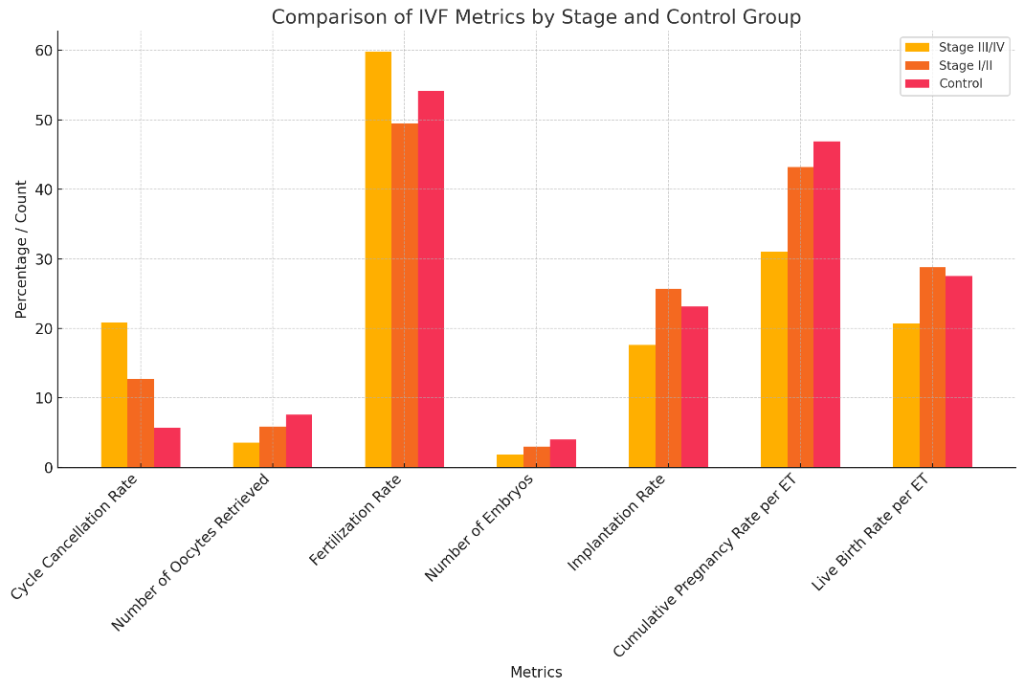
Figure 1. Comparison of IVF Metrics by Stage and Control Group
As shown in Figure 1, by increasing the severity and stage of endometriosis, the cycle cancellation increases. Simultaneously, the number of retrieved oocytes, number of embryos, implantation rate, cumulative pregnancy rate, and live birth rate are lower in stage III/IV endometriosis related to stage I/II (6).
Type of Endometriosis:
Ovarian Endometrioma
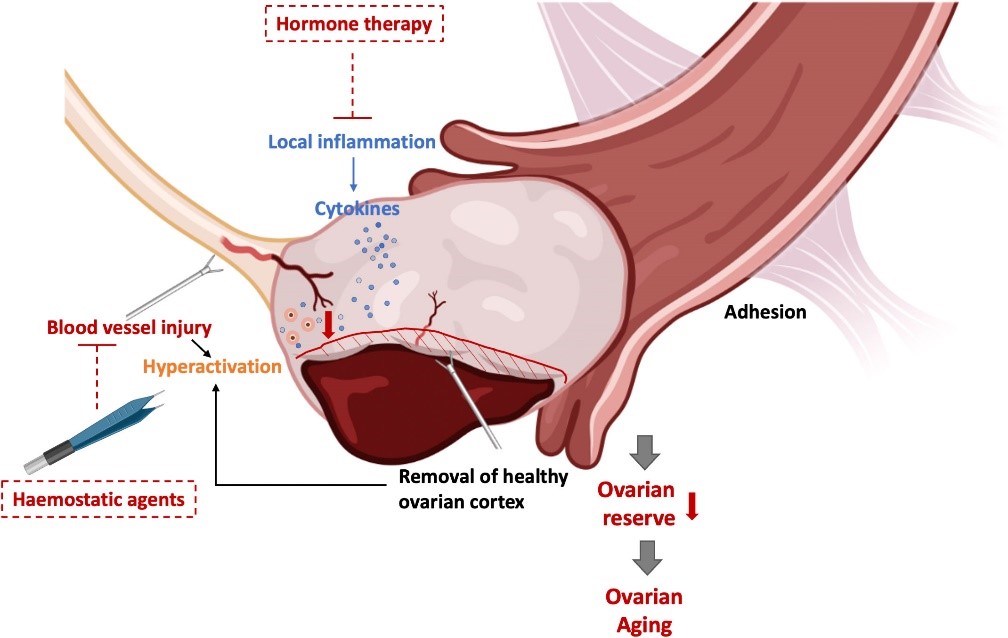
Figure 2. Impacts of endometrioma on ovarian aging from basic science to clinical management (22)
An ovarian endometrioma is a growth of ectopic endometrial tissue within the ovary. Endometriomas were classified usually as stage IV endometriosis making up 17% to 44% of all cases. The presence of endometrioma is associated with advanced stages of endometriosis, which is a sign of disruption of normal pelvic anatomy in the patients. Endometriomas present during egg retrieval can decrease the number of available antral follicles, complicating the ovum retrieval process. Many fertility specialists avoid puncturing endometriomas due to concerns about potential abscess formation or overlooking an early-stage malignancy. However, there have been no reported cases of mismanagement resulting from this cautious approach to date (7, 8). There are two groups of studies comparing IVF outcomes between endometriosis and non-endometriosis groups: one group compares the outcomes after ovarian surgery due to endometrioma and the second group investigates how endometrioma itself -without a history of surgery- affects the IVF outcomes. However, there is no robust data to identify the exact influence of endometrioma without the intervention of surgery on women undergoing IVF.
Some studies comparing the impact of intact endometriomas on IVF/ICSI outcomes revealed that women undergoing fertility treatments who have endometriomas appear to produce fewer eggs overall and fewer mature eggs compared to those without these cysts. This suggests that endometriomas and the underlying condition may negatively impact ovarian function (9).
In another metanalysis comparing 862 women with infertility who had ovarian endometriomas and underwent their first ovarian stimulation for IVF/ICSI treatment between 2011 to 2019 to 826 infertile women with other reasons the results showed that ovarian endometrioma negatively impacts oocyte quality as displayed in the chart below with details (10):
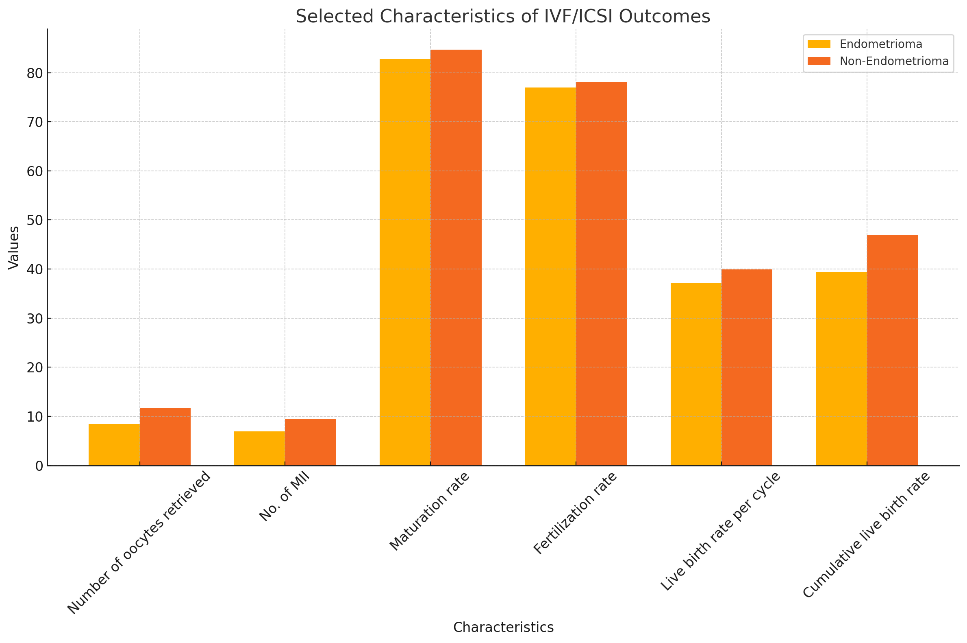
Figure 3. Characteristics of IVF/ICSI outcomes for both Endometrioma and Non-Endometrioma groups
A retrospective study analyzed patients (n = 2,153) who had IVF/ICSI between 2014 and 2018, reported that the total used FSH dosage in the ovarian stimulation phase was significantly higher in the endometrioma group compared to control groups. Additionally, the blastocyst formation rate was significantly lower in the endometrioma group (49.4%) compared to the control group (56%) (11).
Considering the impact of endometrioma size on the IVF outcomes, in a retrospective study conducted in Italy, cases were divided into three endometrioma size categories: 20–29 mm (group 1), 30–39 mm (group 2), and 40–49 mm (GROUP 3). Larger endometriomas were associated with a decrease in AMH levels, however, there is no efficient evidence investigating the relationship between endometrioma size and its impact on oocyte quality and IVF outcomes (12).
Deep-Infiltrating Endometriosis
The number of studies investigating IVF outcomes in patients with deep infiltrative endometriosis (DIE) is low. In a prospective observational cohort study, women diagnosed with DIE and/or endometriomas had a lower live birth rate after their first IVF/ICSI treatment compared with women without (13). Additionally, the presence of a recto uterine nodule is associated with a lower chance of pregnancy after IVF (14).
Previous Ovarian Surgery and Ovarian Reserve:
Ovarian endometriomas may necessitate surgical intervention, especially in symptomatic women, but their impact on ovarian reserve parameters and reproductive outcomes remains a subject of debate (8). Some studies reported that surgery before IVF or ICSI not only does not impact pregnancy outcomes but also improves oocyte and embryo quality (15), however the comprehensive findings in a recently published metanalysis did not demonstrate a statistically meaningful advantage of performing endometriosis surgery before assisted ART when considering live birth rates and ongoing pregnancy rates. Notably, upon removing studies with significant potential for bias from the analysis, the data revealed a considerable decrease in live birth rates per cycle for patients who underwent surgical intervention before IVF or ICSI procedures (16).
Ovarian reserve, defined as the quantity and quality of ovarian follicles, is assessed using various markers. In women with endometriosis, diminished ovarian reserve (DOR) is a significant concern, potentially caused by endometriomas or related surgeries. DOR leads to decreased fertility and increased obstetric risks. An antral follicle count (AFC) of six or less is linked to higher preeclampsia risk and placental vascular lesions. Age also impacts outcomes, with younger women generally having better prospects for live births and perinatal outcomes, even with poor ovarian reserve, compared to older women (17). Women diagnosed with endometriosis are more likely to have a poor ovarian reserve compared to those without the condition. Specifically, in a retrospective cohort study conducted in Brazil, 39.8% of women with endometriosis had a poor ovarian reserve (AFC ≤ 6) compared to 22.7% of women without endometriosis (18). In another study conducted in China, it was revealed that patients with endometriosis who had normal ovarian reserve (NOR) or high ovarian reserve (HOR) experienced better reproductive outcomes compared to those with diminished ovarian reserve (DOR) (17).
In a retrospective case-control study, the fertilization rate and number of oocytes >16mm were significantly lower in women with DOR diagnosed after cystectomy for endometrioma related to patients with idiopathic DOR (19).
In another study of 121 subjects, 53 patients underwent second-line surgery before IVF (second-line surgery group) and 68 patients underwent IVF treatment without second-line surgery (control group) in which the number of fertilized oocytes was lower in the second-line surgery group compared to the control group. Moreover, the number of oocytes retrieved was lower in the second-line surgery group compared to the control group. Also, the total dose of administered gonadotropins and duration of controlled ovarian stimulation were significantly higher in the second-line surgery group. Furthermore, the clinical pregnancy rate per cycle was significantly lower in the second-line surgery group (24.5%) compared to the control group (48.5%) (20).
Economic Burden of Endometriosis and IVF
After IVF or ICSI, some endometriosis patients may become pregnant; nevertheless, recurrent IVF rounds and unsuccessful implantation can result in significant psychological and financial hardship (21). Compared to controls, endometriosis patients use healthcare resources and spend a great deal more on direct and indirect care. Patients with endometriosis in the US spend $26,305 more on healthcare than controls throughout the five years before and following diagnosis. Patients with endometriosis spend, on average, 3.5 times as much on healthcare in the year following diagnosis as control subjects. The in- and out-of-hospital care, surgery, and medication expenses associated with endometriosis are $12,118 annually on average per patient in the United States (22).
References:
- Guo, H., et al. (2022). “The comparison of two different protocols ultra-long versus medroxyprogesterone acetate in women with ovarian endometriosis: a prospective randomized controlled trial.” Reproductive health 19(1): 198.
- Al-Lami, R. A., et al. (2024). “Women with endometriosis in the United States: National Survey of Family Growth, 2011–2019.” Journal of Endometriosis and Uterine Disorders 8: 100081.
- Tamura, H., et al. (2019). “The clinical outcome of Dienogest treatment followed by in vitro fertilization and embryo transfer in infertile women with endometriosis.” Journal of ovarian research 12: 1-9.
- Esmaeilzadeh S, Ghorbani M, Abdolahzadeh M, Chehrazi M, Jorsaraei SG, Mirabi P. Stages of endometriosis: Does it affect oocyte quality, embryo development and fertilization rate? JBRA Assist Reprod. 2022 Nov 9;26(4):620-626. doi: 10.5935/1518-0557.20220051. PMID: 36350241; PMCID: PMC9635609.
- Li A, Zhang J, Kuang Y, Yu C. Analysis of IVF/ICSI-FET Outcomes in Women With Advanced Endometriosis: Influence on Ovarian Response and Oocyte Competence. Front Endocrinol (Lausanne). 2020 Jul 17;11:427. doi: 10.3389/fendo.2020.00427. PMID: 32765424; PMCID: PMC7380107.
- Pop-Trajkovic, Sonja et al. “Stages of endometriosis: does it affect in vitro fertilization outcome.” Taiwanese journal of obstetrics & gynecology vol. 53,2 (2014): 224-6. doi:10.1016/j.tjog.2013.10.040
- Zareii, A., et al. (2023). “Evaluation of endometrioma size effect on ovarian reserve, embryo quality and pregnancy outcome after in vitro fertilization cycle; a cross-sectional study.” BMC Women’s Health 23(1): 327.
- Daniilidis, A., et al. (2023). “Surgical Management of Ovarian Endometrioma: Impact on Ovarian Reserve Parameters and Reproductive Outcomes.” Journal of Clinical Medicine 12(16): 5324.
- Alshehre, Sallwa M., et al. “The impact of endometrioma on in vitro fertilisation/intra-cytoplasmic injection IVF/ICSI reproductive outcomes: a systematic review and meta-analysis.” Archives of Gynecology and Obstetrics 303 (2021): 3-16.
- Wu, Yaoqiu, et al. “Ovarian endometrioma negatively impacts oocyte quality and quantity but not pregnancy outcomes in women undergoing IVF/ICSI treatment: a retrospective cohort study.” Frontiers in Endocrinology 12 (2021): 739228.
- Jui-Chun Chang, Yu-Chiao Yi, Ya-Fang Chen et al. What is the impact of endometrioma on IVF/ICSI outcomes in patients with endometriosis: A retrospective study, 23 June 2022, PREPRINT (Version 1) available at Research Square [https://doi.org/10.21203/rs.3.rs-1755432/v1]
- Somigliana, Edgardo et al. “The impact of endometrioma size on ovarian responsiveness.” Reproductive biomedicine online vol. 41,2 (2020): 343-348. doi:10.1016/j.rbmo.2020.03.003
- Ferrero, Simone, et al. “Impact of surgery for endometriosis on the outcomes of in vitro fertilization.” Best Practice & Research Clinical Obstetrics & Gynaecology (2024): 102496.
- Rubod, Chrystèle, et al. “Factors associated with pregnancy after in vitro fertilization in infertile patients with posterior deep pelvic endometriosis: A retrospective study.” Journal of Gynecology Obstetrics and Human Reproduction 48.4 (2019): 235-239.
- Wu, Yaoqiu, et al. “Ovarian endometrioma negatively impacts oocyte quality and quantity but not pregnancy outcomes in women undergoing IVF/ICSI treatment: a retrospective cohort study.” Frontiers in Endocrinology 12 (2021): 739228.
- Bourdon, M., et al. “Impact of Endometriosis Surgery on In Vitro Fertilization/Intracytoplasmic Sperm Injection Outcomes: a Systematic Review and Meta-analysis.” Reproductive Sciences 31.6 (2024): 1431-1455.
- Liu, Shuai, et al. “Influence of ovarian reserves on assisted reproductive and perinatal outcomes in patients with endometriosis: a retrospective study.” Frontiers in Endocrinology 14 (2023): 1084927.
- Pop-Trajkovic, Sonja et al. “Stages of endometriosis: does it affect in vitro fertilization outcome.” Taiwanese journal of obstetrics & gynecology vol. 53,2 (2014): 224-6. doi:10.1016/j.tjog.2013.10.040
- Audrey Roustan, Jeanne Perrin, Mathias Debals-Gonthier, Odile Paulmyer-Lacroix, Aubert Agostini, Blandine Courbiere, Surgical diminished ovarian reserve after endometrioma cystectomy versus idiopathic DOR: comparison of in vitro fertilization outcome, Human Reproduction, Volume 30, Issue 4, April 2015, Pages 840–847, https://doi.org/10.1093/humrep/dev029
- Park H, Kim CH, Kim EY, Moon JW, Kim SH, Chae HD, Kang BM. Effect of second-line surgery on in vitro fertilization outcome in infertile women with ovarian endometrioma recurrence after primary conservative surgery for moderate to severe endometriosis. Obstet Gynecol Sci. 2015 Nov;58(6):481-6. doi: 10.5468/ogs.2015.58.6.481. Epub 2015 Nov 16. PMID: 26623412; PMCID: PMC4663226.
- Zhong C, Gao L, Shu L, Hou Z, Cai L, Huang J, Liu J, Mao Y. Analysis of IVF/ICSI Outcomes in Endometriosis Patients With Recurrent Implantation Failure: Influence on Cumulative Live Birth Rate. Front Endocrinol (Lausanne). 2021 Jul 30;12:640288. doi: 10.3389/fendo.2021.640288. PMID: 34393990; PMCID: PMC8362597.
22. Ellis, Katherine, Deborah Munro, and Jennifer Clarke. “Endometriosis is undervalued: a call to action.” Frontiers in global women’s health 3 (2022): 902371.