Endometriosis Symptoms: 12 Warning Endo Signs You Shouldn’t Ignore
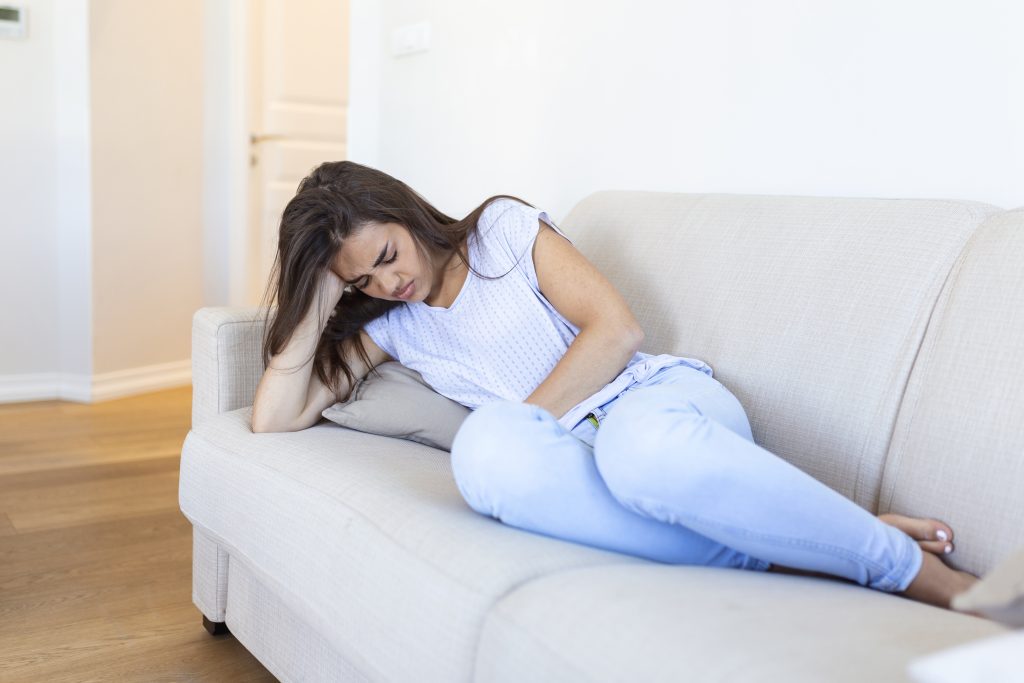
You’ve probably heard about endometriosis, but what are endometriosis Symptoms? How do you know if you have endometriosis symptoms or not?
Want to learn more about Endometriosis? Read Endometriosis: Symptoms, Causes, Treatment, and Prevention
Recognizing early endometriosis symptoms can lead to faster diagnosis and better treatment, improving quality of life and increasing chances of fertility.
Endometriosis is a condition that affects millions of women worldwide but remains poorly understood. Let’s explore 12 key symptoms of endometriosis and how they might affect you.

1. Painful Periods (Dysmenorrhea): The Most Common Endometriosis Symptom
Around 25% to 70% of women with dysmenorrhea and chronic pelvic pain have endometriosis.
The most common Endometriosis symptom is Painful Periods (Dysmenorrhea). If you are experiencing severe menstrual pain which you have not experienced before, it can be a signal of endometriosis. This pain begins before your period and lasts through it. This pain may spread to your lower back and abdomen. While menstrual cramps are common, this pain is typically more intense and harder to manage and may disrupt your daily life. Learn more about how social factors contribute to diagnostic delays.
2. Heavy Periods and Mid-Cycle Bleeding: Unveiling Hidden Signs of Endometriosis
If you experience heavy bleeding in your periods or have spotting between your periods, maybe you have endometriosis. What means a heavy period:
- Needing to change a pad or tampon every hour,
- Using multiple layers of protection could indicate endometriosis,
- Prolonged periods lasting more than seven days,
- Needing to change pad or tampon in the middle of the night,
- Not to be able to do your daily activities due to heavy bleeding.
3. Pain During Intercourse (Dyspareunia): An Intimate Struggle
Experiencing deep, sharp pain during or after sexual activity is a hallmark of severe endometriosis symptoms. Pain during sex affects about 50 to 70% of people with endometriosis. This symptom can strain relationships and impact emotional well-being, as the discomfort may lead to avoiding intimacy. Learn more about coping with the effects of endometriosis on intimacy.
4. Lower Back and Leg Pain: Overlooked Clues of Endometriosis
Endometriosis pain can extend beyond the pelvis, causing discomfort in the lower back or legs. This pain may mimic sciatica, further complicating diagnosis.
Learn about the stages and diagnosis of endometriosis.
5. Painful Bowel Movements or Urination: Discomfort That Shouldn’t Be Ignored
Endometriosis can affect the bladder and bowel, leading to pain during bowel movements or urination, especially during menstruation. These symptoms are often mistaken for conditions like irritable bowel syndrome (IBS) or urinary tract infections (UTIs).
6. Digestive Issues: Understanding the Unspoken Symptoms of endometriosis
Digestive issues which seem to be common and linked to other general conditions can be symptoms of endometriosis too:
- Diarrhea,
- Constipation,
- Bloating,
- Nausea,
particularly around your menstrual cycle, are common in women with endometriosis. These symptoms are often misdiagnosed as IBS, delaying proper treatment.
Explore the future of urine-based testing for endometriosis.
7. Difficulty Getting Pregnant: A Common Challenge in Reproductive Health
Infertility is a common symptom of endometriosis. About 1 in 3 women with the condition also face infertility, nearly double the rate seen in women without endometriosis. In fact, up to 50% of women experiencing infertility are found to have endometriosis. Endometriosis can cause infertility by:
- Inflammation leading to damaging eggs or sperms.
- Fallopian tubes blockage due to adhesions in more severe conditions avoiding fertilization of sperm and egg.
Early diagnosis and treatment are critical for improving fertility outcomes.
Learn about how endometriosis affects IVF success rates.
8. Fatigue: The Persisting Tiredness Impacting Daily Life
Chronic pain and heavy bleeding can leave you feeling exhausted. Fatigue is a frequent but often overlooked symptom of endometriosis and can affect your daily productivity.
Learn how to manage daily life with endometriosis.
9. Emotional Distress: Depression and Anxiety
Chronic pain, infertility, and relationship challenges can lead to depression and anxiety. Addressing these mental health impacts is a vital part of managing endometriosis. Learn how endometriosis affects mental well-being.
10. Pain During Ovulation: The Mid-Cycle Discomfort You Shouldn’t Ignore
Sharp or stabbing pain during ovulation, known as mittelschmerz, may point to endometriosis. This symptom can disrupt daily activities and is often overlooked.
11. Rare Pain Locations
Endometriosis can sometimes cause pain in unexpected areas like the shoulders, chest, or diaphragm. These symptoms, often related to thoracic endometriosis, require specialized medical attention.
12. Chest Pain or Breathing Difficulties
Though rare, endometriosis can spread to the lungs, leading to chest pain, shortness of breath, or even a collapsed lung during menstruation. Immediate medical evaluation is essential for these symptoms.
Understanding Endometriosis Pain
Endometriosis pain varies widely. It might be localized to the pelvis at both sides or spread to the back, legs, or even the chest. Consider that pain intensity is not linked to the disease severity. Identifying the pattern and location of pain can help guide effective treatment.
Diagnosing Endometriosis
Wonder If You Have Endometriosis? Take Our Stanford-Backed Endometriosis Self Assessment Quiz To See if You Have Endometriosis.
Doctors diagnose endometriosis through medical history, physical exams, and imaging tests like ultrasounds. In some cases, laparoscopy—a minor surgical procedure—is used to confirm the diagnosis and assess its severity. Learn about telehealth solutions for endometriosis care.
Causes of Endometriosis
The exact cause of endometriosis is still unknown. However, potential factors include:
- Retrograde menstruation: Menstrual blood flows backward into the pelvic cavity.
- Genetics: Family history increases risk.
- Immune system dysfunction: The body may fail to clear misplaced endometrial-like tissue.
Types of Endometrioses
Endometriosis is categorized into three main types:
- Superficial Peritoneal Endometriosis: Affects the outer lining of the pelvic cavity.
- Ovarian Endometriomas: Cysts that form on the ovaries.
- Deep Infiltrating Endometriosis: Involves nearby organs like the bladder and bowel.
Each type presents unique challenges and may require different treatments.
Endometriosis vs. Normal Period Symptoms
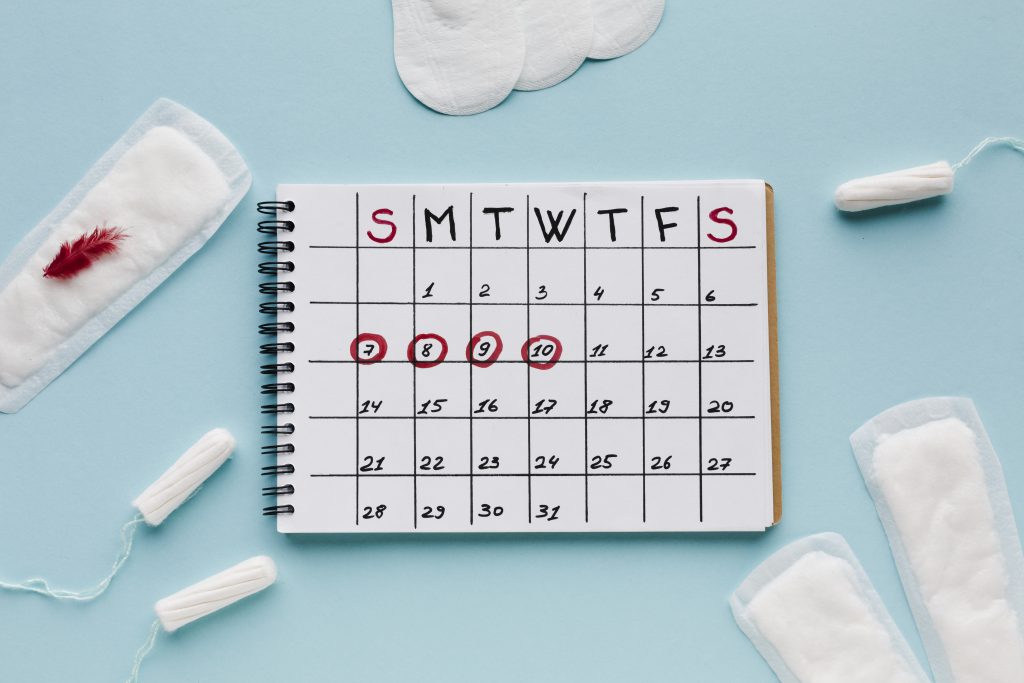
While mild cramps and discomfort are normal, endometriosis symptoms are far more severe which disrupt your daily life. What set it apart from normal periods:
- Extreme pain
- Heavy bleeding
- Bleeding more than 7 days
- Digestive issues accompanied by pain
- Other systemic issues.
Endometriosis and PCOS
Though distinct, endometriosis and polycystic ovary syndrome (PCOS) can coexist. Both conditions affect menstrual cycles and fertility, but they require different treatments, making accurate diagnosis crucial.
Weight Gain and Bloating
Endometriosis can cause bloating and weight gain due to inflammation and hormonal imbalances. These symptoms often go unnoticed but can significantly impact daily life.
Treating Endometriosis Without Birth Control
For those who cannot or prefer not to use birth control, treatment options include dietary changes, physical therapy, pain management, and sometimes surgery. Discussing these alternatives with a doctor can help create a tailored plan.
Endometriosis and Menopause
Symptoms of endometriosis often improve after menopause due to reduced estrogen levels. However, some women may continue to experience symptoms and require further treatment.
Endometriosis Symptoms During Pregnancy
Hormonal changes during pregnancy can temporarily relieve endometriosis symptoms. However, symptoms often return postpartum, necessitating ongoing care.
Symptoms After Hysterectomy
A hysterectomy may relieve symptoms for some, but it is not a guaranteed cure. Residual endometrial tissue can continue to cause pain and other issues.
When to See a Doctor
Consult a healthcare provider if you experience:
- Heavy bleeding disrupting daily life.
- Periods lasting more than seven days.
- Pain that prevents regular activities.
- Spotting between periods.
A doctor can recommend tests and treatments to improve your quality of life.
Daily Life with Endometriosis Symptoms
Endometriosis affects physical health, mental well-being, relationships, and productivity. Many women lose work hours due to pain and fatigue, and the financial burden of treatment can add stress. Intimacy and fertility challenges also contribute to emotional strain.
However, personalized care plans, like those offered by March Health, can provide symptom tracking, tailored advice, and support to help you regain control of your life.
Final Thoughts
Endometriosis is a challenging condition, but understanding its symptoms and seeking early diagnosis can make a significant difference. With the right support and treatment, you can manage your symptoms and improve your quality of life. Don’t hesitate to reach out to a doctor or explore personalized solutions to take charge of your health. Explore March Health’s comprehensive approach to managing endometriosis to regain control of your life.
FAQs On Endometriosis Symptoms
-
What are the early symptoms of endometriosis?
Early symptoms of endometriosis include pelvic pain, painful periods, and heavy menstrual bleeding. Other signs may involve fatigue and digestive issues such as bloating or nausea. Recognizing these symptoms early can lead to quicker diagnosis and treatment.
-
How do I know if my pain is due to endometriosis?
Endometriosis pain typically begins before your period and may persist during and after it. The pain can spread to the lower back, abdomen, or legs and is often more intense than regular menstrual cramps. For more details, visit Mayo Clinic’s page on endometriosis symptoms.
-
Can digestive issues be a symptom of endometriosis?
Yes, digestive issues such as diarrhea, constipation, bloating, or nausea—especially around your menstrual cycle—can indicate endometriosis. These symptoms are often mistaken for IBS, delaying proper treatment. Learn more about endometriosis and its gastrointestinal symptoms.
-
Are there symptoms of endometriosis that don’t involve pain?
Yes, some women with endometriosis experience heavy menstrual bleeding, infertility, or mid-cycle spotting without significant pain. Fatigue is another symptom that may not always be linked to pain.
-
Can endometriosis symptoms get worse over time?
Yes, endometriosis symptoms, such as pain and heavy bleeding, can worsen if left untreated. Early intervention is key to managing the condition effectively and improving quality of life.
- March Health Joins Mayo Clinic Platform_Accelerate to Advance the Future of Women’s Health
- Meditation Techniques For Pain Relief: A Comprehensive Guide
- The Ultimate Guide to Pain-Friendly Workouts: Low-Impact Exercises, Gentle Fitness & Movement Therapies for Chronic Pain
- How Diet Can Influence Endometriosis: Understanding the Best and Worst Foods for Managing Symptoms Naturally
- Living with Endometriosis: Tips for Managing Pain and Improving Quality of Life