Endometriosis Treatment: Your Complete Guide to Options, Costs, and Success Rates
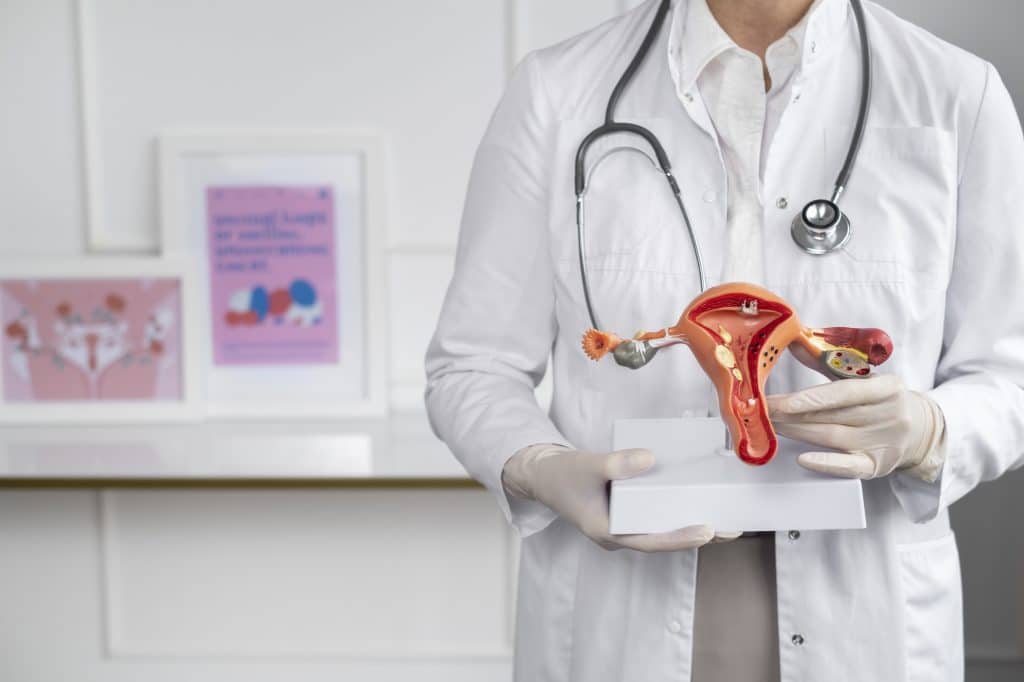
Endometriosis affects 1 in 10 women of reproductive age, leading to symptoms like pain, infertility, and fatigue.
But what are the best endometriosis treatment options, and how can they help you regain control over your life? This guide answers all your questions about treatment methods, costs, and outcomes. Whether you’re looking for medical, surgical, or holistic solutions, we’ve got you covered.
Did You Know? Up to 50% of women with infertility have endometriosis—treatment can make a difference. It’s also worth noting that many cases go undiagnosed for years, leaving women without proper care.
In this guide, we’ll explore everything from understanding the condition to choosing the right treatments for your needs.
Read on to What Is Endometriosis?
What is Endometriosis?
Endometriosis is a chronic condition where tissue similar to the lining of the uterus grows outside it, causing inflammation, pain, and sometimes infertility. This tissue responds to hormonal changes, leading to symptoms that can worsen over time.
Common Symptoms
- Pelvic pain (often linked to menstrual cycles)
- Heavy Menstrual Bleeding (menorrhagia)
- Painful periods (Dysmenorrhea)
- Pain during intercourse
- Infertility
- Chronic fatigue
- Bloating or “endo belly”
This condition can also have a profound emotional impact, affecting mental health and relationships.
Learn more on 12 Endometriosis Symptoms.
Endometriosis Treatment Options
Medical Treatments of Endometriosis:
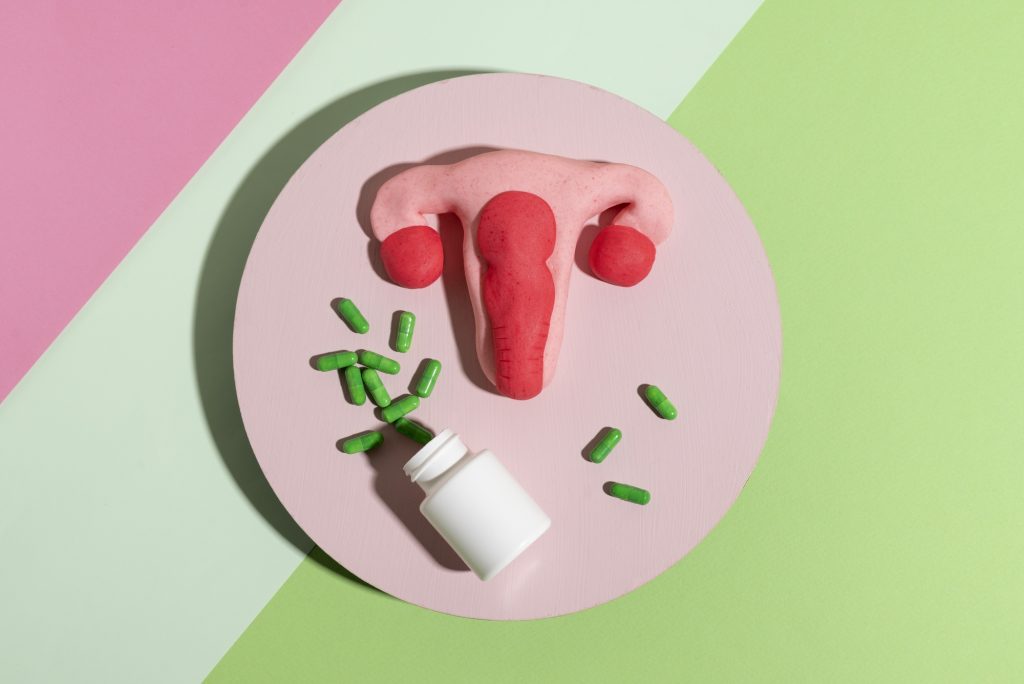
Medical therapies aim to manage symptoms and slow disease progression.
- Pain Management: NSAIDs and other analgesics for immediate relief.
- Hormonal Therapies:
- Birth control pills to regulate periods and reduce symptoms.
- GnRH agonists and antagonists like Zoladex and Orilissa to suppress ovarian function. GnRH therapy has side effects like vaginal dryness and hot flashes. Taking small doses of estrogen and progesterone at the same time can help to limit or prevent these symptoms.
- Progesterone-based treatments to prevent endometrial growth including:
- Intrauterine Devices (IUDs): Small devices inserted into the uterus that releases levonorgestrel (e.g. Mirena)
- Implants: Contraceptive implants placed under the skin of the arm (e.g. Nexplanon)
- Birth control injections (e.g. Depo-Provera)
- Progestin-only pills (e.g. Micronor)
- Danazol to stop menstruation and reduce symptoms. Danazol can have side effects, including acne and hirsutism (Abnormal hair growth on your face and body)
- Aromatase Inhibitors (e.g. Anastrozole) to reduce the levels of estrogen in the body and manage endometriosis symptoms
- New Medications: Emerging options target specific pathways, like anti-inflammatory treatments, offering hope for non-hormonal solutions.
Surgical Treatments of Endometriosis:
Surgical intervention is often necessary for severe cases or when fertility is a priority.
- Laparoscopic Excision Surgery: Removes endometrial-like tissue and restores pelvic health, considered the gold standard.
- Ablation Surgery: Less effective for long-term management but may provide symptom relief.
- Hysterectomy: Reserved for cases where other treatments fail, and fertility is no longer a concern.
Learn about laparoscopic surgery recovery and outcomes.
Alternative Endometriosis Treatments
Lifestyle and complementary therapies can significantly improve quality of life.
- Dietary Changes: Anti-inflammatory foods like leafy greens, berries, and fatty fish can reduce pain.
- Physical Therapy: Improves pelvic floor strength and alleviates chronic pain.
- Yoga and Acupuncture: Manage stress, improve circulation, and reduce pain perception.
- Psychological Interventions: Cognitive-behavioral therapy (CBT) or counseling can be beneficial for managing the emotional and mental stress associated with chronic pain.
Explore alternative therapies.
Emerging Treatments for Endometriosis.
- Non-Hormonal Options: Molecular therapies targeting specific proteins involved in inflammation.
- Immunomodulatory Approaches: Under clinical trials, these treatments aim to correct immune dysfunction linked to endometriosis.
- AI-Driven Solutions: Personalized care plans using advanced algorithms.
Endometriosis Treatment by Stage
Tailored Treatment by Stage
Each stage of endometriosis requires a specific approach:
- Stage 1: Pain management and hormonal therapy for mild symptoms.
- Stage 2-3: Laparoscopy and medical management to address moderate lesions.
- Stage 4: Multidisciplinary care, including advanced surgical intervention and fertility treatments.
Early intervention at Stage 1 or 2 can prevent progression to more severe stages.
Fertility and Endometriosis
How Endometriosis Affects Fertility
- Reduces ovarian reserve.
- Causes inflammation, hindering implantation.
- Can lead to anatomical distortions, like blocked fallopian tubes.
Treatment Options to Improve Fertility
- Surgery: Restores normal pelvic anatomy, improving natural conception chances.
- IVF: Effective for severe cases where natural conception isn’t viable.
- Ovulation Induction: Helps stimulate egg release in mild cases.
- Fertility Preservation Techniques: These methods may help safeguard fertility for patients requiring surgery who are at risk of ovarian damage and wish to conceive in the future.
Learn about IVF success rates in endometriosis patients.
Costs of Endometriosis Treatment
Breaking Down the Costs
- Hormonal therapies: $50-$300/month depending on the medication.
- Laparoscopic surgery: $10,000-$20,000, varying by location and insurance coverage.
- IVF: $15,000-$30,000 per cycle, with additional costs for medications.
Navigating Insurance Coverage
- Many treatments are partially covered. However, specific surgeries or newer medications may require out-of-pocket expenses.
- Advocate for yourself by asking insurers about endometriosis-specific coverage.
Living with Endometriosis
Managing Symptoms Through Lifestyle Changes
- Diet Tips: Incorporate omega-3 fatty acids, turmeric, and avoid processed foods high in sugar.
- Exercise: Regular yoga, Pilates, or low-impact exercises for pelvic health.
- Mental Health: Therapy, support groups, and mindfulness practices can ease emotional stress.
Discover tips for daily life management.
Conclusion
Endometriosis treatment is diverse, ranging from hormonal therapies to advanced surgery. By seeking early diagnosis and tailored care, you can effectively manage symptoms and improve your quality of life. Remember, treatment is a journey, and there are options to suit every stage and lifestyle.
FAQs on Endometriosis Treatment
What is the best treatment for endometriosis?
Laparoscopic excision surgery combined with hormonal therapy is highly effective, especially for moderate to severe cases.
Can endometriosis be treated without surgery?
Yes, hormonal therapies and lifestyle changes can manage symptoms for many. Emerging non-hormonal treatments are also promising.
Are there non-hormonal treatments for endometriosis?
Emerging therapies like molecular and immunomodulatory treatments are showing potential in clinical trials.
How does endometriosis impact mental health?
Chronic pain and fatigue can lead to anxiety and depression. Addressing physical and emotional symptoms together is vital.
- March Health Joins Mayo Clinic Platform_Accelerate to Advance the Future of Women’s Health
- Meditation Techniques For Pain Relief: A Comprehensive Guide
- The Ultimate Guide to Pain-Friendly Workouts: Low-Impact Exercises, Gentle Fitness & Movement Therapies for Chronic Pain
- How Diet Can Influence Endometriosis: Understanding the Best and Worst Foods for Managing Symptoms Naturally
- Living with Endometriosis: Tips for Managing Pain and Improving Quality of Life